
How Female Erections Work: Anatomy & Function
Mar 05, 2026When we think of erections, the male anatomy often dominates the conversation. But did you know that female bodies are also equipped with functional erectile tissue? Understanding how female erections work not only deepens our appreciation for human anatomy but also highlights the astonishing similarities between male and female reproductive systems. This article dives into the anatomy of female erections, explaining their function, how they are initiated and maintained, and their significance in reproductive biology.
The Anatomy of Female Erections: Homologous Structures
What Are Homologous Structures?
A key concept in understanding female erections is the idea of homologous structures - anatomical features in males and females that develop from the same embryonic tissue. For example:
- Testes and ovaries are homologous, as they originate from the same tissue.
- Similarly, the penis and clitoris share a common embryonic origin and possess nearly identical erectile tissue.
How a Female Erection Works
Breaking Down the Clitoris
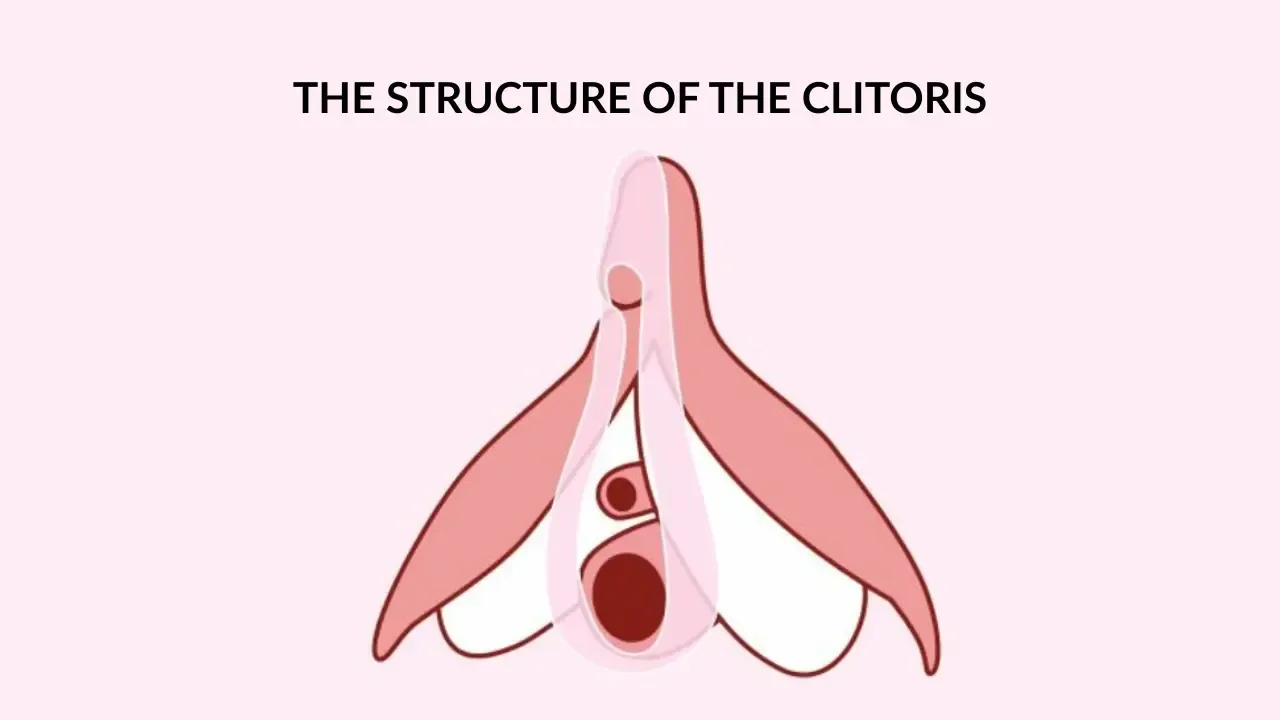
The clitoris is the primary structure involved in female erections. Despite being less visible than the penis, the clitoris contains a remarkable network of erectile tissue designed for sensitivity and engorgement. Let’s explore its parts:
- Kura of the Clitoris: These "leg-like" extensions attach to the pelvic bones (ischial and pubic bones). They form the foundation of the clitoris and are homologous to the cura of the penis.
- Body of the Clitoris: The kura converge to form the body of the clitoris, which is homologous to the shaft of the penis.
- Glans Clitoris: The visible tip of the clitoris is richly packed with sensory nerve endings, making it crucial for sensation and stimulation.
On cadaver dissections, it’s clear that much of the clitoris resides beneath the surface, hidden by external structures like the labia majora and labia minora. However, the internal anatomy plays a significant role in both sensation and erection.
The Bulb of the Vestibule
Another critical component is the bulb of the vestibule, a mass of erectile tissue on either side of the vaginal canal. When engorged with blood, this tissue narrows the vaginal canal, increasing stimulation during intercourse.
How Female Erections Work: Anatomy in Action
Two Pathways to Erection
Female erections can be initiated through two primary mechanisms, which often work together for a more robust response:
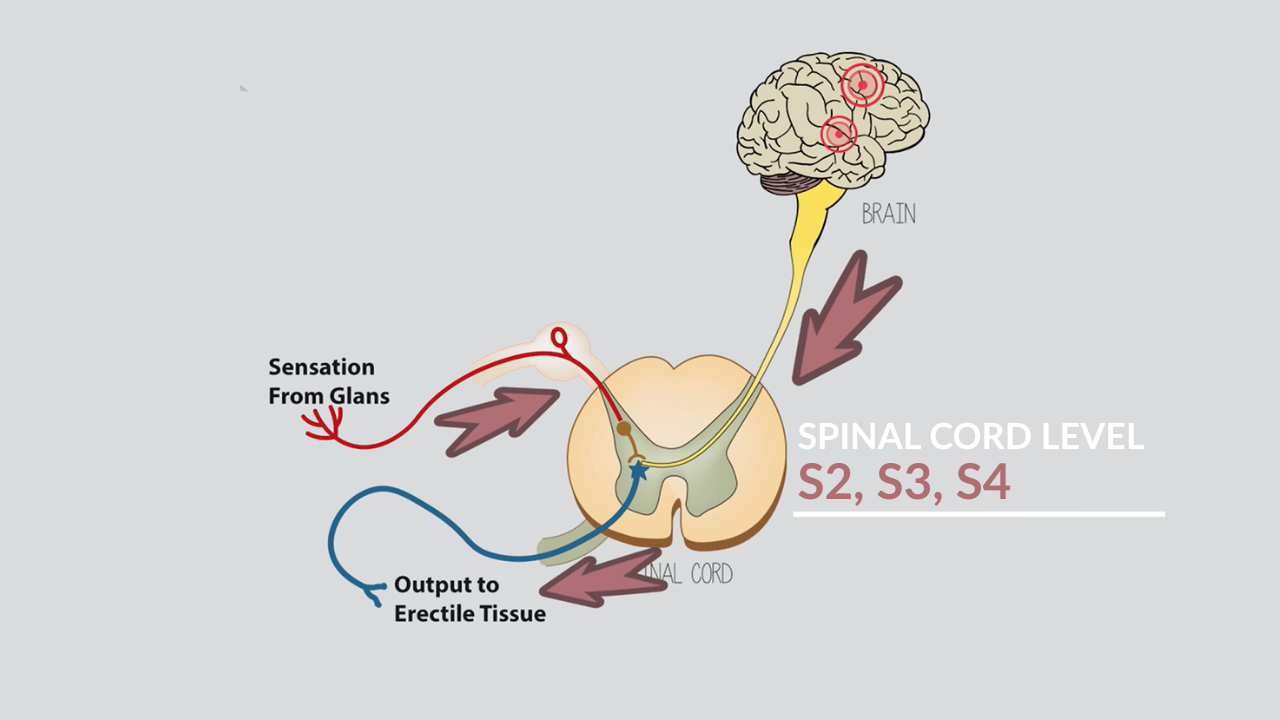
- Tactile Stimulation: Physical touch to the clitoris or surrounding genital structures sends signals via the pudendal nerve to the spinal cord. This is largely a reflexive response, meaning the signal doesn’t necessarily require input from the brain to work. Interestingly, even individuals with spinal cord injuries may still experience erections through this reflex pathway.
- Brain-Driven Stimulation: Thoughts, visuals, sounds, or even smells can trigger signals from the brain, traveling down the spinal cord to the clitoris. This process involves conscious arousal and often enhances the overall erection.
Both pathways converge at the sacral spinal cord levels S2, S3, and S4, which control the erectile response in the clitoris.
The Role of Nitric Oxide
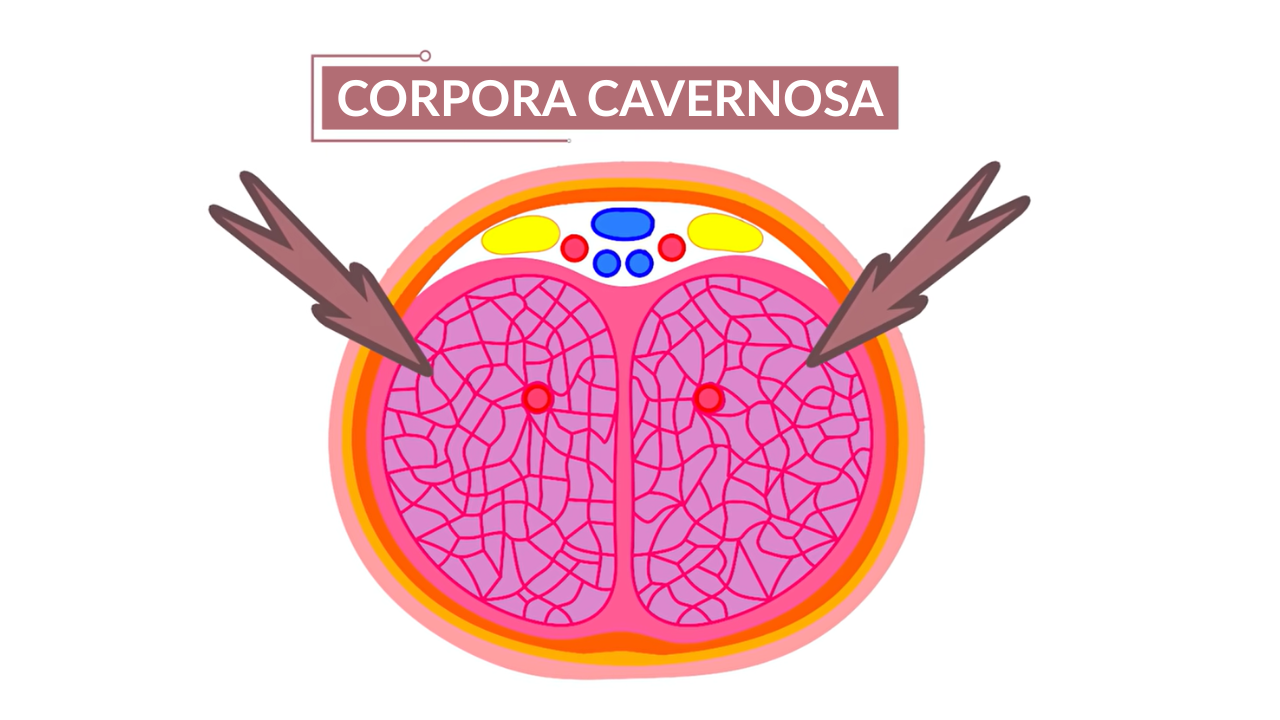
Once stimulation occurs, the neurotransmitters released by nerve fibers cause the release of nitric oxide, a powerful vasodilator. Nitric oxide:
- Opens blood vessels in the erectile tissue (the corpora cavernosa), allowing blood to flow in.
- Relaxes smooth muscle within the tissue, creating space for blood to fill. This engorgement enlarges the clitoris slightly, though not to the same degree as a penile erection.
The Role of Female Erections in Reproduction
Are Female Erections Necessary for Fertilization?
From a strictly biological standpoint, female erections and climax are not required for fertilization. Sperm can still reach and fertilize an egg without these processes. However, female erections and orgasms can enhance the chances of conception in fascinating ways:
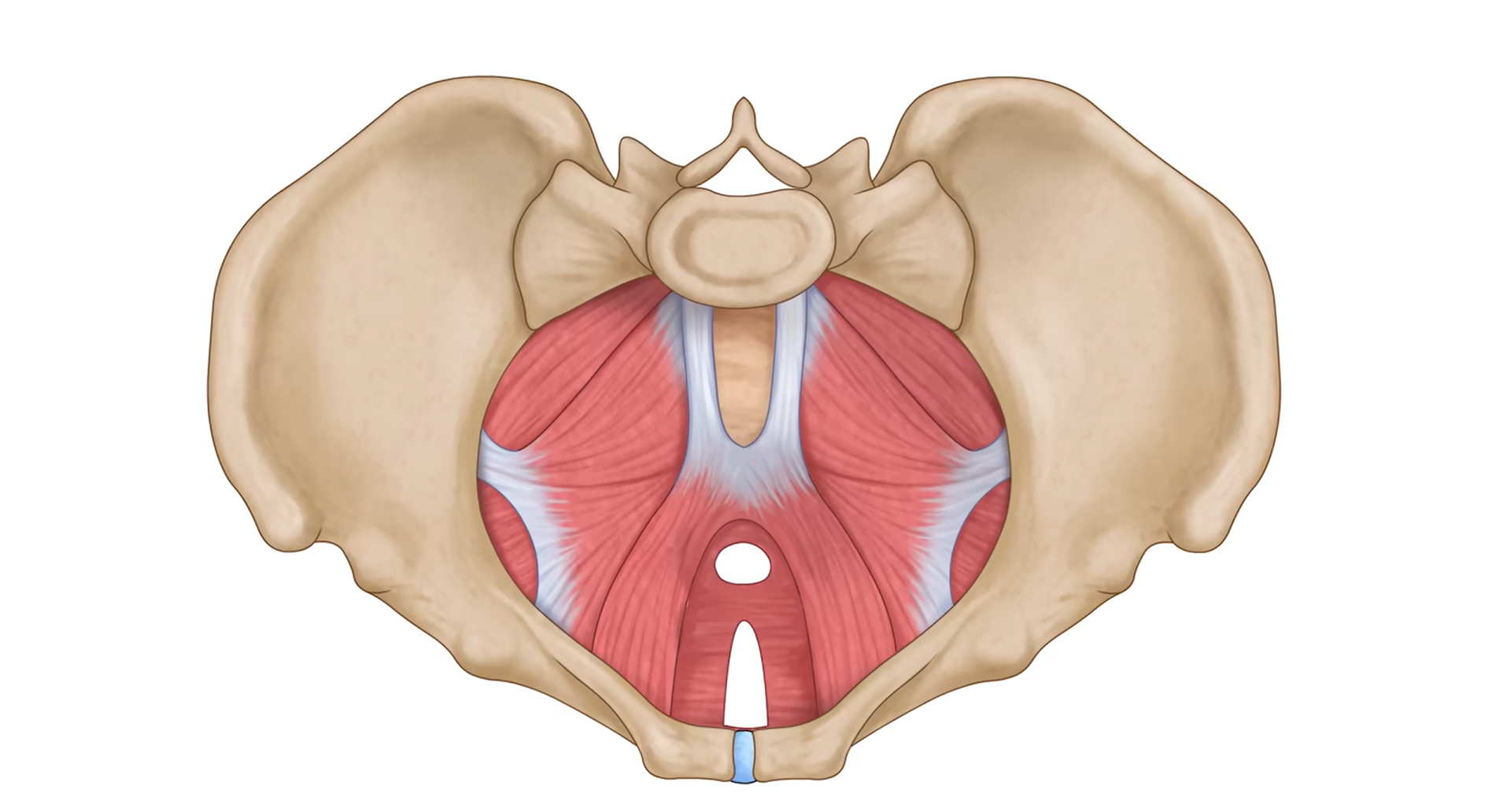
- Pelvic Floor Contractions: During climax, the pelvic floor muscles contract rhythmically, helping propel sperm toward the uterus.
- Uterine Dilation: The uterus dilates, facilitating the movement of sperm through the reproductive tract.
- Oxytocin Release: Orgasm triggers the release of oxytocin, a hormone that causes the uterus to contract, further aiding sperm transport.
Interestingly, studies have shown that women inseminated naturally through intercourse are often more likely to conceive than those who undergo artificial insemination. The physiological responses tied to climax may explain this enhanced fertility.
The Bulb of the Vestibule’s Role
When the bulb of the vestibule becomes erect, it narrows the vaginal canal, increasing stimulation for both partners. This can improve sperm delivery and potentially increase the likelihood of fertilization.
Beyond Reproduction: The Broader Significance of Female Erections
While reproduction is a vital biological function, female erections and orgasms serve purposes beyond conception:
- Stress Relief: Sexual stimulation and climax are natural stress relievers.
- Bonding: Intercourse fosters emotional and physical bonds between partners.
- Pleasure: Engaging erectile tissue enhances physical enjoyment, reinforcing positive experiences.
Key Takeaways
- The clitoris and penis are homologous structures, sharing similar anatomy and erectile tissue.
- Female erections are initiated through both tactile stimulation and brain-driven responses, with signals converging in the sacral spinal cord.
- Nitric oxide plays a critical role by relaxing erectile tissue and allowing blood flow to create engorgement.
- Though not strictly necessary for reproduction, female erections and climax can enhance fertility by aiding sperm transport and increasing uterine receptivity.
- Beyond reproduction, female erections serve as a source of stress relief, bonding, and pleasure.
Conclusion
Understanding female erections highlights the complexity and ingenuity of human anatomy. The clitoris and its associated erectile tissues are not only homologous to the penis but also play significant roles in arousal, pleasure, and even reproduction. Recognizing these functions helps dispel myths and promotes a more comprehensive view of sexual health and reproductive biology. For students, healthcare professionals, and enthusiasts alike, delving into this topic deepens our appreciation for the incredible design of the human body.
Female Erections Part 2 - The G-Spot

