

How Tattoos Interact with Skin Layers
Mar 09, 2026Did you know that tattoos are not only a form of personal expression but also a fascinating interplay with the layers of our skin? Approximately one in three people in the United States have a tattoo, with numbers reaching over 40% among younger generations. Despite their popularity, many people are unaware of how tattoos interact with the body on a microscopic level. This article will break down the anatomy of tattoos, explain how tattoo ink behaves within the skin, and explore why tattoos are both permanent and subject to fading over time.
Understanding the Skin: The Integumentary System
Before diving into the intricate world of tattoos, it’s essential to understand the structure of the skin. The skin is part of the Integumentary System, one of the body’s largest and most vital systems. It is composed of three main layers, each with distinct structures and functions:
1. The Epidermis
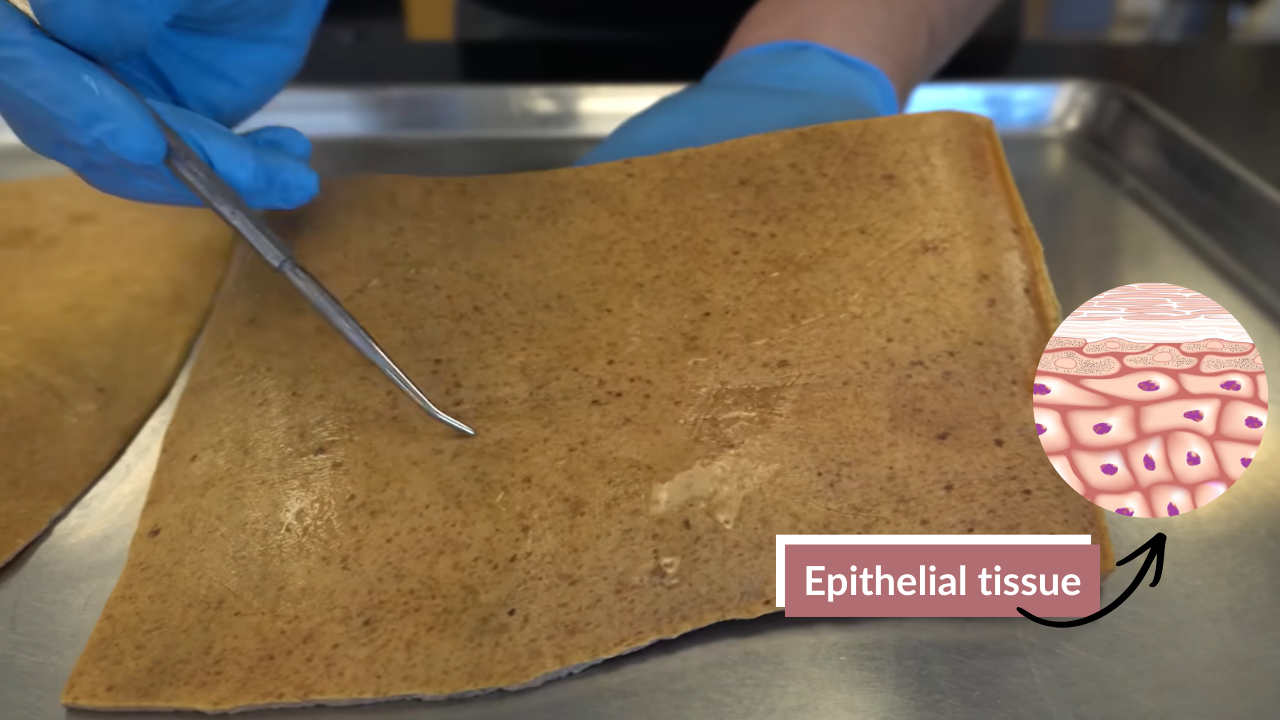
The outermost layer of the skin, the Epidermis, acts as the body’s protective barrier. Made of epithelial tissue, this layer consists of densely packed cells arranged in multiple layers, with new cells being created at the bottom and pushed upward over time. By the time these cells reach the surface, they are flattened and dead, forming a tough shield against friction, abrasions, and environmental factors.
However, this constant renewal process poses a significant challenge for tattooing. Any ink that is deposited into the epidermis will be shed as the cells naturally flake off - a process that takes roughly four weeks. This is why tattoos are not placed within this layer.
2. The Dermis
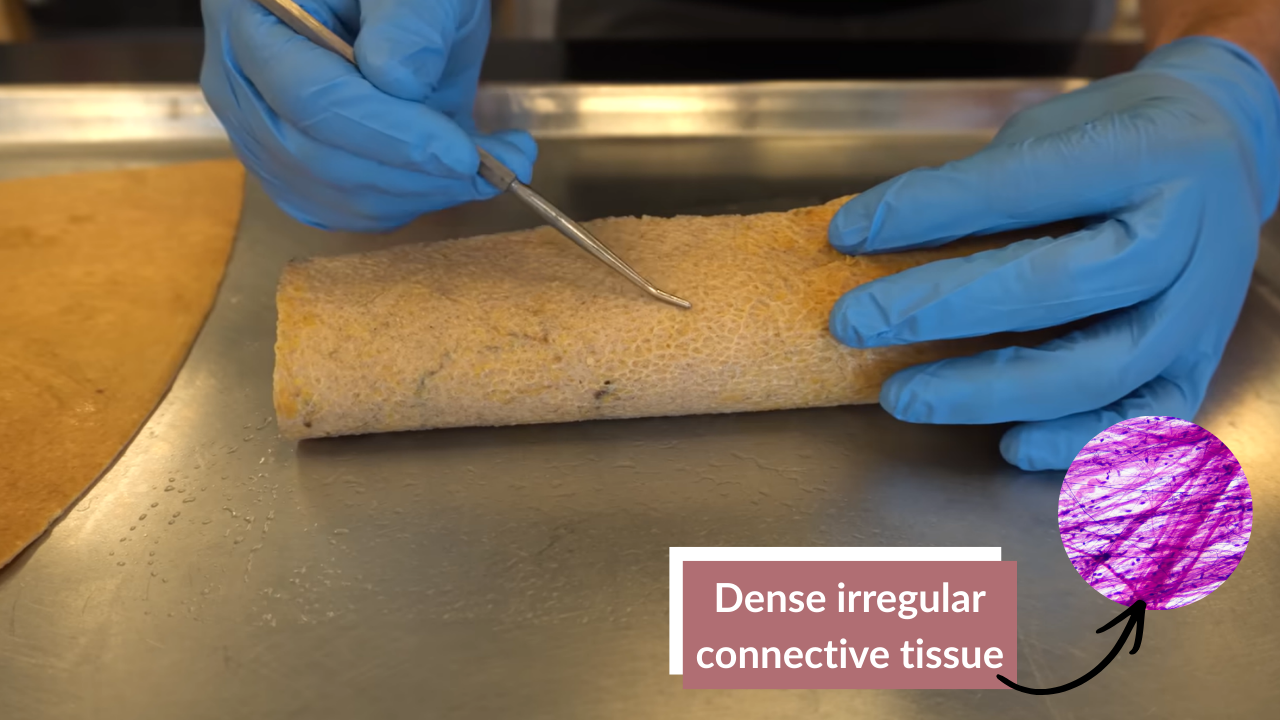
Beneath the epidermis lies the Dermis, a thicker and more complex layer of skin. Unlike the epidermis, the dermis is made of dense irregular connective tissue, containing scattered cells called fibrocytes, which produce collagen. Collagen, a structural protein, strengthens the skin and provides a stable matrix for tattoo ink.
When tattoo ink is deposited into the dermis, it becomes embedded within the collagen fibers and is partially taken up by fibrocytes. This placement ensures relative permanence, as the ink is less likely to be naturally expelled or shed compared to the epidermis. The dermis also houses key structures like blood vessels, nerve endings, hair follicles, and sweat glands, all of which play roles in the tattooing process.
3. The Hypodermis
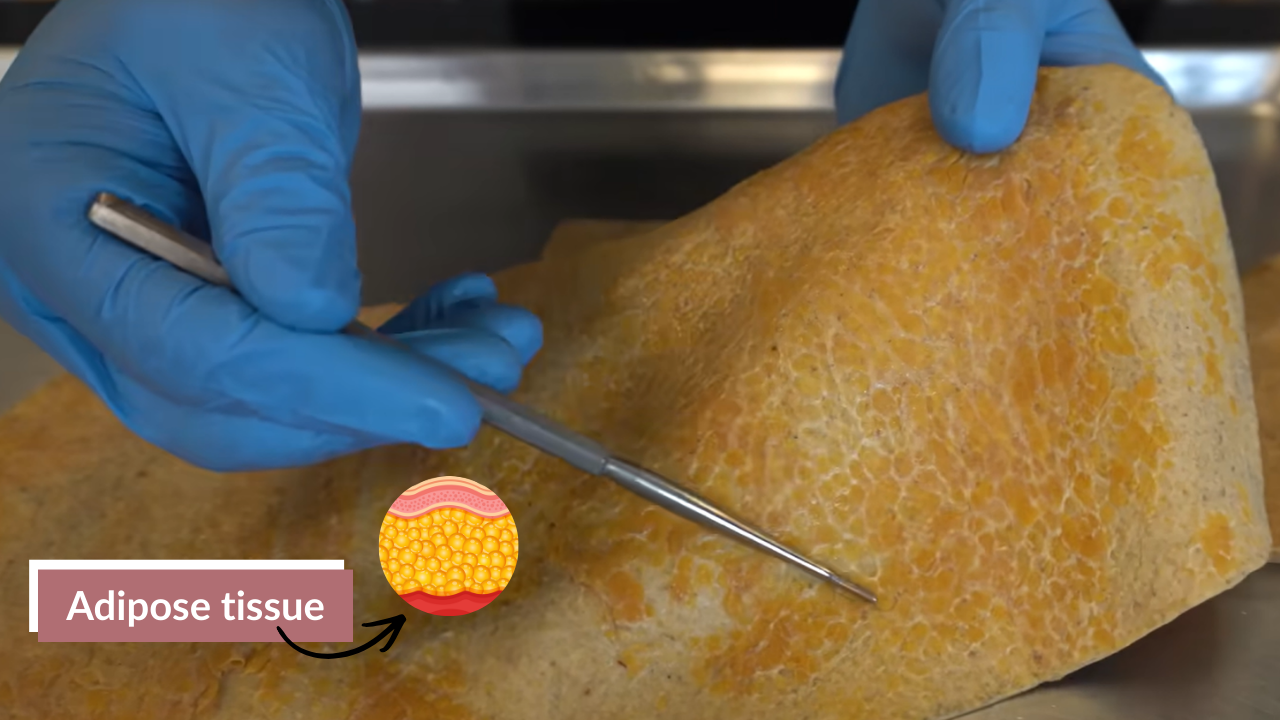
The deepest skin layer, the Hypodermis (also called the subcutaneous layer), is primarily composed of adipose tissue, or fat. This layer provides cushioning, insulation, and energy storage for the body. However, if tattoo ink accidentally penetrates into the hypodermis, the results can be problematic. The oily, fatty nature of this tissue can cause the tattoo lines to blur - a phenomenon known as blowout - leading to a less defined appearance.
What Tattoos Do to the Skin
How Tattoos Work: Ink, Trauma, and the Immune System
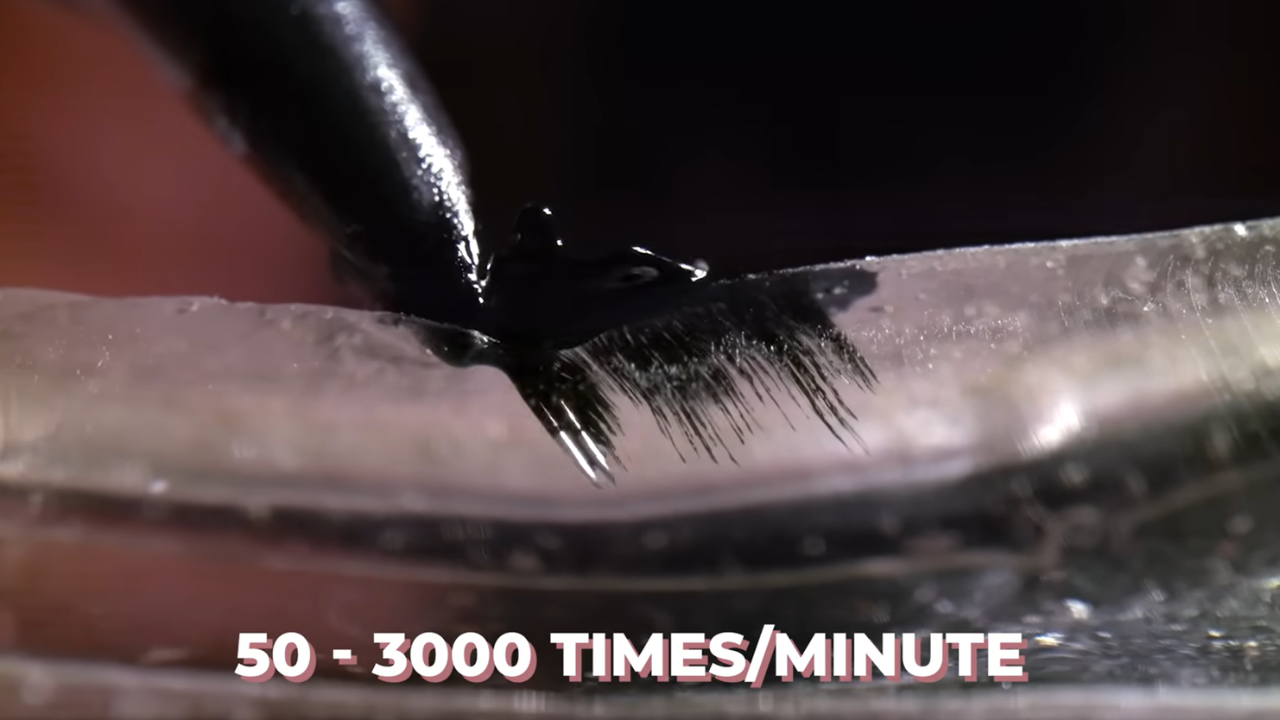
Tattoos are created by puncturing the skin with needles, depositing ink into the dermis at a rate of 50 to 3,000 punctures per minute. This process not only introduces foreign material (the ink) but also causes trauma to the skin, triggering an inflammatory response from the body.
The Role of White Blood Cells
When the skin is punctured, the immune system sends white blood cells, particularly macrophages, to the site of injury. These macrophages are responsible for engulfing foreign particles - a process called phagocytosis. However, tattoo ink presents a unique challenge: it contains pigments, plastics, and other substances that the macrophages cannot fully break down.
Instead of eliminating the ink, the macrophages isolate and contain it within the dermis. Over time, as individual macrophages die, the ink is released and subsequently engulfed by new macrophages in a continuous cycle. This process helps keep the ink in place, ensuring the tattoo remains visible through the skin.
Why Do Tattoos Fade?
While tattoos are considered permanent, they can fade over time due to several factors:
- Immune System Activity: As macrophages die and release ink, microscopic particles of ink may escape into the lymphatic system, where they are transported away from the skin.
- UV Light Exposure: Ultraviolet (UV) rays from sunlight can break down tattoo pigments, causing colors to fade.
- Ink Quality and Depth: The type of ink and how deeply it is deposited into the skin can also influence the longevity of the tattoo.
The Science Behind Blowout: When Tattoos Blur
Blowout occurs when tattoo ink is unintentionally deposited into the hypodermis, leading to a blurred or smudged appearance. Several factors can contribute to this issue:
- Excessive Needle Pressure: If the tattoo artist pushes the needle too deeply, ink may seep into the fatty tissue of the hypodermis, where it spreads more easily.
- Skin Thickness: The thickness of the dermis varies across the body. For example, skin on the back tends to be thicker and more forgiving, while areas like the lower leg have thinner dermal layers, increasing the risk of blowout.
Tattoo artists must account for these anatomical variations when working on different parts of the body to ensure precise and lasting results.
The Risks of Getting a Tattoo & What They Do to the Skin
Key Takeaways
- Skin Layers and Tattoos: Tattoo ink is deposited into the dermis, the skin’s middle layer, where it can remain relatively stable within the collagen matrix.
- Immune System Role: Macrophages play a vital role in containing tattoo ink, creating a cycle of engulfing and releasing ink that helps maintain its permanence.
- Epidermis Renewal: Ink placed in the epidermis is shed with the skin’s natural renewal process, making this layer unsuitable for tattoos.
- Hypodermis Risks: Ink that penetrates into the hypodermis can cause blurring or blowout due to the fatty tissue’s oily nature.
- Fading Factors: Tattoos fade over time due to immune activity, UV light exposure, and ink dispersion into the lymphatic system.
- Skin Thickness Matters: The thickness of the dermis varies across the body, influencing tattoo placement and the risk of blowout.
Conclusion
Tattoos are more than just skin-deep - they are a captivating interaction between art and anatomy. Understanding the science behind the skin’s layers and how they interact with ink provides valuable insights into why tattoos are both enduring and fragile. Whether you’re a tattoo enthusiast, a healthcare professional, or simply fascinated by anatomy, the interplay between tattoos and the integumentary system offers a remarkable glimpse into the complexities of the human body.
By appreciating the science of tattoos, we can better understand their permanence, how to care for them, and why each tattoo is as unique as the person who wears it.

