
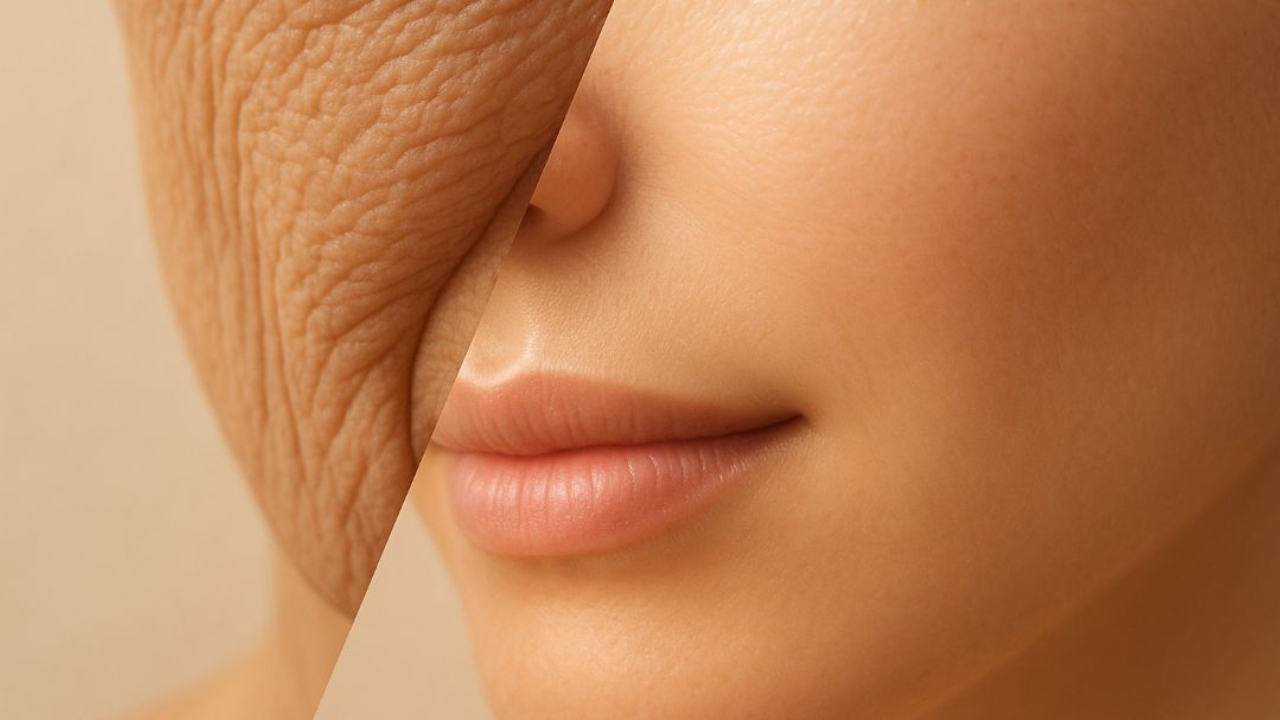
Molecular Mechanisms of Skin Aging
Dec 22, 2025Skin aging happens through two main processes: internal (natural aging) and external (like sun exposure). Both lead to visible changes like wrinkles, sagging, and loss of firmness. At the core of this process are molecular changes, including:
- Collagen Breakdown: Collagen production slows with age, while enzymes like MMPs increase, breaking down collagen faster.
- Oxidative Stress: Reactive oxygen species (ROS) from UV exposure, pollution, and metabolism damage skin cells and accelerate aging.
- Cellular Senescence: Aging cells lose their ability to repair and produce proteins like collagen, further weakening skin structure.
- Extracellular Matrix (ECM) Damage: The ECM, which gives skin its structure and elasticity, deteriorates over time.
Treatments target these processes with options like retinoids (boost collagen), lasers (stimulate repair), and fillers (restore volume). Combining these approaches can slow aging and improve skin health.
A Healthy Longevity Framework for Skin Aging
Collagen and Extracellular Matrix Breakdown
As we age, the balance between collagen production and degradation undergoes a dramatic shift, and this imbalance is at the heart of visible aging signs like wrinkles, sagging, and loss of skin firmness. Collagen synthesis slows down, while its breakdown speeds up, weakening the dermis and undermining the skin's structural integrity.
When collagen and other extracellular matrix (ECM) components break down, it triggers a chain reaction. Fibroblasts, the cells responsible for maintaining the ECM, lose their functionality, mechanical support weakens, and the aging process accelerates. Understanding these mechanisms helps explain why aging skin becomes less resilient and develops the hallmarks of aging.
Matrix Metalloproteinases (MMPs) and TIMPs
The enzymes primarily responsible for collagen degradation in the skin are matrix metalloproteinases (MMPs). Among them, MMP-1 plays a key role by initiating the breakdown of type I and type III collagen, the main collagen types in human skin. Once MMP-1 starts the process, other enzymes like MMP-3 and MMP-9 continue the degradation, breaking collagen into smaller fragments.
These enzymes are produced by epidermal keratinocytes and dermal fibroblasts, though endothelial and immune cells also contribute. In naturally aging skin, fibroblasts are the primary source of MMPs. However, in sun-damaged (photoaged) skin, both fibroblasts and keratinocytes ramp up MMP production, which explains why sun exposure often leads to more severe aging signs.
Normally, tissue inhibitors of metalloproteinases (TIMPs) keep MMP activity in check to preserve collagen balance. But in aging skin, MMP levels increase significantly, while TIMP levels - especially TIMP-1 - decline in both intrinsic and photoaged skin. This imbalance leaves collagen vulnerable, allowing MMPs to degrade it faster than fibroblasts can replace it. As a result, the ECM deteriorates, impairing fibroblast function and creating a vicious cycle of accelerated aging.
Disrupted Balance in Collagen Production and Breakdown
Aging skin faces a double challenge: reduced collagen production and increased degradation. While MMPs drive the breakdown, several factors contribute to the decline in collagen synthesis.
Reactive oxygen species (ROS) play a major role by activating pathways like MAPK and NF-κB, which increase MMP expression, while simultaneously suppressing the TGF-β/Smad pathway, a critical regulator of collagen production. ROS can originate from both external sources, like UV radiation, and internal metabolic processes, linking oxidative stress to collagen breakdown.
The TGF-β/Smad signaling pathway normally protects the ECM by promoting collagen production and suppressing MMP activity. It regulates genes responsible for producing ECM components like collagens, fibronectin, and decorin while boosting TIMP levels. However, in aging skin, AP-1 transcription factors - activated by ROS - disrupt this pathway, reducing collagen synthesis. Research suggests that decreased expression of TβRII and SMAD3 further weakens this protective mechanism, leading to a net loss of collagen.
Adding to the problem is the matricellular protein CCN1 (also called cysteine-rich protein 61). Elevated in aged dermal fibroblasts, CCN1 has been shown to amplify aging processes by increasing MMP activity and disrupting TGF-β/Smad signaling. This results in reduced collagen production, ECM fragmentation, and heightened inflammation. Studies using transgenic mice confirm that CCN1 accelerates dermal aging by destabilizing collagen homeostasis.
The weakening interaction between fibroblasts and the ECM also plays a role. As collagen fragments and the ECM deteriorates, fibroblasts shrink in size, further reducing their ability to maintain the ECM. Shrinking fibroblasts also produce more MMPs, perpetuating a destructive feedback loop where ROS levels rise, MMP activity increases, and TGF-β signaling is further suppressed.
Other ECM Changes in Aging Skin
Collagen isn’t the only ECM component affected by aging. Elastic fibers, which provide skin with flexibility, also degrade. In sun-damaged skin, oxytalan fibers break down, and elastolytic enzymes like MMPs and neutrophil elastases cause disorganized elastic fibers to accumulate, a condition known as solar elastosis. In contrast, naturally aging skin shows a general depletion of elastic fibers. The protein fibulin-5, essential for elastic fiber organization in young skin, disappears in aged skin, further contributing to structural decline.
Glycosaminoglycans (GAGs) and proteoglycans (PGs), though less studied, also undergo changes with age. Additionally, collagen glycation - where sugars bind to collagen to form advanced glycation end products - makes collagen stiffer and less functional. This stiffened collagen resists degradation but cannot be replaced with new, functional fibers, further undermining the ECM.
The imbalance between collagen production and degradation marks a turning point in how aging skin maintains its structure. Once this cycle begins, the molecular processes driving skin aging become increasingly active, underscoring the importance of early intervention to slow these changes.
Oxidative Stress in Skin Aging
At the heart of skin aging lies oxidative stress, a key driver behind the breakdown of the skin’s structure. Reactive oxygen species (ROS) - unstable molecules that damage cellular components - play a major role here. They trigger molecular processes that degrade collagen, disrupt fibroblast function, and speed up visible signs of aging.
When ROS levels surpass the skin's natural antioxidant defenses, they wreak havoc: damaging collagen, impairing fibroblast activity, and halting collagen production. These oxidative effects compound other mechanisms of extracellular matrix (ECM) breakdown, making oxidative stress a major contributor to skin aging.
Sources of ROS
ROS in the skin come from two main sources: external environmental factors and internal metabolic processes.
Ultraviolet (UV) radiation from sunlight is the most potent external source of ROS. UV rays penetrate the skin, causing a surge in ROS levels that oxidize lipids, proteins, and DNA within cells. This explains why photoaged skin - damaged by chronic sun exposure - exhibits more pronounced oxidative damage compared to naturally aged skin. Deep wrinkles, rough textures, and sagging in areas like the face, neck, and hands are clear signs of this damage.
Other external contributors include pollution and nicotine, both of which add to the oxidative burden on the skin. These factors amplify the effects of UV exposure, accelerating the aging process in exposed areas.
Internally, ROS are a natural byproduct of cellular metabolism. Mitochondria, the cell’s energy producers, generate ROS during energy production. In younger skin, these baseline ROS levels are manageable. However, as we age, mitochondrial DNA accumulates damage, reducing efficiency and increasing ROS production. This creates a vicious cycle: damaged mitochondria leak electrons, generating more ROS, which in turn causes further mitochondrial damage.
The difference between these sources matters. Photoaged skin experiences more severe structural changes because UV-induced ROS add an extra oxidative burden on top of the skin’s baseline metabolic ROS. This is why areas shielded from the sun age more gradually compared to chronically exposed regions.
ROS-Activated Molecular Pathways
Once generated, ROS don’t just cause random damage - they activate specific molecular pathways that systematically break down the skin’s structure. Two key pathways, MAPK/AP-1 and NF-κB, are central to collagen degradation and inflammation in aging skin.
The mitogen-activated protein kinase (MAPK) family responds directly to elevated ROS levels. This group includes ERK, p38, and JNK kinases, which trigger the production of activator protein 1 (AP-1), a transcription factor that increases matrix metalloproteinase (MMP) production. MMPs are enzymes responsible for collagen breakdown.
This ROS-MAPK-AP-1 pathway not only boosts MMP levels but also suppresses the TGF-β signaling pathway in dermal fibroblasts, reducing collagen synthesis. The result? A double hit to collagen: more breakdown and less production.
Another major pathway involves the NF-κB transcription factor, which also responds to ROS. NF-κB increases MMP-1 and MMP-3 levels in fibroblasts, further accelerating collagen degradation. This explains why photoaging leads to more dramatic collagen loss compared to natural aging.
ROS also attack collagen directly, chemically degrading it, and inactivate tissue inhibitors of metalloproteinases (TIMPs), which normally regulate MMP activity. In aging skin, this imbalance becomes severe: MMP levels rise while TIMP levels either remain unchanged or decrease, particularly TIMP-1.
The result is a self-perpetuating cycle: ROS increase MMP expression, suppress TGF-β signaling, and weaken the connection between fibroblasts and the ECM. This causes fibroblasts to shrink, which further heightens ROS production and MMP activity. Over time, this cycle accelerates skin aging rather than progressing steadily.
Shrinking fibroblasts also activate AP-1, leading to even more MMP production. Additionally, UV exposure exacerbates the problem by disrupting the TGF-β/Smad pathway, reducing the skin’s ability to produce new collagen.
These molecular pathways highlight why oxidative stress plays such a dominant role in skin aging. ROS not only damage collagen directly but also disrupt the balance between collagen production and degradation, leading to a progressive decline in skin structure. Protecting the skin from external ROS sources like UV radiation and bolstering the body’s antioxidant defenses are crucial steps in slowing this process.
Cellular Senescence and Fibroblast Dysfunction
Aging skin faces many challenges, but one of the most critical happens at the cellular level: cellular senescence. This process directly impacts fibroblasts, the cells responsible for producing collagen and maintaining the extracellular matrix (ECM) in the dermis. When fibroblasts enter a senescent state, they lose their ability to regenerate and adopt what's called a secretory phenotype (SASP). These senescent cells shrink in size and begin releasing enzymes like MMPs (matrix metalloproteinases) and proinflammatory cytokines. The result? A weakened structural foundation for the skin. This loss of collagen production and accelerated ECM breakdown leads to visible signs of aging, such as wrinkles, sagging, and reduced elasticity. These cellular changes lay the groundwork for the molecular shifts explored further below.
Telomere Shortening and DNA Damage
Two key factors - telomere shortening and DNA damage - drive fibroblasts into senescence. Telomeres, the protective caps at the ends of chromosomes, naturally shorten with each cell division. When they become critically short, fibroblasts lose their ability to regenerate. Adding to this, elevated levels of reactive oxygen species (ROS) cause DNA damage and genomic instability. This damage triggers fibroblast shrinkage and activates AP-1, a protein complex that ramps up MMP production, directly contributing to ECM degradation. Other factors, like mitochondrial DNA damage and collagen glycation, further disrupt ECM turnover. Recent studies also point to the role of microRNA changes, such as increased miR-23-a-3p, which targets HAS2 and reduces ECM synthesis.
Changes in the Skin Microenvironment
The skin's aging process isn't limited to individual cells; the surrounding microenvironment also shifts, further impairing fibroblast function. One major player here is CCN1, a matricellular protein. Studies in transgenic mice reveal that higher levels of CCN1 speed up dermal aging by disrupting collagen production and homeostasis. When fibroblasts are exposed to elevated CCN1, several harmful changes occur: increased MMP production, impaired TGF-β/Smad signaling, reduced type I collagen synthesis, and ECM fragmentation.
TGF-β signaling is particularly important for maintaining the dermis's structural integrity. However, this pathway becomes less effective with age, partly due to ROS-induced AP-1 activation and reduced expression of TGF-β receptor II and SMAD3. This decline in TGF-β signaling leads to lower collagen production, creating a feedback loop. As ECM degradation worsens, fibroblast-ECM interactions weaken, which further shrinks fibroblasts, increases ROS production, and boosts MMP activity. Together, these processes accelerate the breakdown of the skin's structural framework.
Promising Therapeutic Approaches
Emerging therapies are showing promise in addressing fibroblast senescence. Senolytic drugs like ABT-263 and ABT-737 have demonstrated encouraging results in mouse models of intrinsic skin aging. These drugs selectively target and eliminate senescent fibroblasts, leading to notable improvements: increased collagen density, thicker epidermis, enhanced keratinocyte activity, and reduced SASP factors like MMP-1 and IL-6. In photoaging models, these senolytics also reduce MMP production, minimize collagen loss, and even decrease pigmentation by inducing apoptosis in p16INK4A-positive fibroblasts. These findings suggest that targeting senescent fibroblasts could help restore ECM health and slow the visible effects of skin aging.
Treatment Approaches for Skin Aging
Advances in molecular science have shaped treatments that focus on restoring collagen, reducing matrix metalloproteinase (MMP) activity, and eliminating damaged cells. From topical solutions that influence cellular behavior to procedures that stimulate the skin's natural repair processes, the options available today target specific aspects of the aging process. Below, we delve into how topical treatments and procedural interventions work together to counteract these molecular changes.
Topical Treatments and Retinoids
One of the most well-researched and effective treatments for skin aging is retinoids. These vitamin A derivatives, particularly all-trans retinoic acid, are known for promoting growth in keratinocytes and fibroblasts while supporting extracellular matrix (ECM) production. Retinoids not only enhance collagen production but also suppress MMP activity, which plays a role in collagen breakdown.
Studies show that applying all-trans retinoic acid to sun-exposed skin can significantly improve both its appearance and cellular structure. Interestingly, adult skin - whether sun-exposed or protected - responds equally well to these treatments, whereas neonatal skin shows less responsiveness under similar conditions. This indicates that retinoids are effective for addressing both intrinsic aging and photoaging, tailoring their benefits to the skin's age-related needs.
With consistent use over six months, topical retinoids have been shown to reduce wrinkle depth by 20–40%, with some studies reporting up to an 80% increase in collagen synthesis. By restoring balance within the ECM, retinoids help break the cycle of collagen degradation. These treatments typically cost between $20 and $100 per month and work even better when paired with antioxidants like vitamin C.
Newer agents such as rapamycin are also gaining attention. They target aging at a cellular level by reducing senescence markers, SASPs (senescence-associated secretory phenotypes), and oxidative stress in photoaged fibroblasts. These emerging treatments aim to address the root causes of skin aging, supporting overall skin health.
Energy-Based Procedures and Fillers
For more profound skin rejuvenation, energy-based procedures provide a powerful option by directly stimulating the skin's natural repair systems. Techniques such as fractional laser therapy and radiofrequency treatments create controlled micro-injuries, prompting fibroblasts to reactivate and produce more collagen. These procedures can increase dermal collagen density by 20–40% within just a few months.
A 2022 meta-analysis highlighted the efficacy of fractional laser therapy, noting a 30% improvement in skin elasticity and a 25% reduction in wrinkle severity in cases of photoaged skin. These results demonstrate the ability of such treatments to reverse the decline in fibroblast activity associated with aging.
Dermal fillers, particularly those containing hyaluronic acid, complement these energy-based methods by addressing volume loss. Fillers not only restore facial contours but also stimulate fibroblasts to produce collagen. Clinical studies report high satisfaction rates among patients using hyaluronic acid fillers for facial rejuvenation. The cost for fillers typically ranges from $600 to $1,200 per syringe, with most treatment areas requiring one to two syringes.
While retinoids excel at improving fine lines and skin texture, fillers are ideal for tackling volume loss and deeper wrinkles. Laser therapies, though highly effective, often involve more downtime and higher costs. By combining retinoids, energy-based treatments, and fillers, multiple aging pathways can be addressed for more comprehensive and noticeable results.
Enhance your understanding of facial structure and expression with our Facial Anatomy Course. Click here to learn more.
Conclusion: Molecular Mechanisms and Skin Health
Gaining a deeper understanding of how skin ages at the molecular level reshapes how we approach skin health and develop treatments. Skin aging isn't driven by a single factor but by a network of processes, including reactive oxygen species (ROS), matrix metalloproteinases (MMPs), and cellular senescence, all working together to weaken the skin's structural integrity.
Both intrinsic and extrinsic aging share overlapping molecular pathways - such as ROS generation, DNA damage, and extracellular matrix breakdown - that lead to visible changes like wrinkles, sagging, and loss of elasticity. These changes stem from an imbalance: reduced collagen production paired with accelerated collagen degradation.
This molecular knowledge has paved the way for treatments that aim to stimulate collagen production and inhibit MMP activity. By targeting ROS-activated pathways, such as MAPK/AP-1, and strengthening TGF-β signaling, these therapies address key drivers of skin aging.
The interaction between fibroblasts and the extracellular matrix (ECM) is another critical factor. When collagen breaks down, it disrupts the mechanical connection between fibroblasts and the ECM, impairing fibroblast function. This creates a feedback loop that accelerates aging. Breaking this cycle requires restoring both the ECM's structural components and the fibroblasts' ability to maintain them. Addressing this dynamic is key to developing therapies that tackle multiple aging processes at once.
For healthcare professionals and students, understanding these molecular pathways bridges the gap between microscopic processes and visible skin changes. Learn how aging affects your entire body, from muscles to bones and joints, with our guide to anatomical changes and tips to stay healthy. Resources like those from the Institute of Human Anatomy help connect molecular biology with anatomical changes, offering a clearer perspective on how aging impacts skin structure and function.
Looking ahead, future treatments will likely target multiple pathways simultaneously. Strategies to reduce oxidative stress, balance MMP-TIMP activity, enhance TGF-β signaling, and support fibroblast health hold the promise of turning skin aging from an unavoidable process into one that can be managed and improved. This growing understanding of molecular mechanisms not only informs current therapies but also opens doors for innovative research and more effective interventions.
Equip Yourself: Get The Ultimate Guide to Skin Health: Anatomy, Conditions & Healing!
FAQs
What role do retinoids play in reducing the effects of skin aging at the molecular level?
Retinoids, which are derived from vitamin A, play a powerful role in slowing down the aging process of the skin by addressing key cellular functions. One of their standout benefits is promoting cell turnover - this means they help remove old, damaged skin cells and encourage the growth of fresh, healthy ones. The result? Smoother skin texture and a reduction in fine lines.
But that's not all. Retinoids also boost the production of collagen, the protein responsible for maintaining the skin's structure and elasticity. Since collagen naturally decreases as we age, this boost can help restore firmness and smoothness to the skin over time. With regular use, under the guidance of a dermatologist, retinoids can bring noticeable improvements to both the health and appearance of your skin.
How do matrix metalloproteinases (MMPs) contribute to collagen breakdown in aging skin?
Matrix metalloproteinases (MMPs) are enzymes responsible for breaking down collagen, the protein that gives skin its strength and structure. As we get older, MMP activity tends to ramp up, often spurred by things like UV exposure and oxidative stress. This increase in activity causes collagen fibers to break down more quickly, which weakens the skin’s framework and leads to wrinkles, sagging, and other noticeable signs of aging.
When MMPs disrupt the natural balance between collagen production and breakdown, they speed up the aging process. Gaining a better understanding of how these enzymes work is essential for creating treatments that help maintain skin health and elasticity over time.
What role does oxidative stress play in skin aging, and how can it be managed?
Oxidative stress plays a big role in how our skin ages. It happens when there’s an imbalance between free radicals and antioxidants in the body, causing damage to cells. Over time, this damage can show up as wrinkles, reduced elasticity, and other visible signs of aging, largely due to its impact on collagen and the extracellular matrix.
To keep oxidative stress in check and support your skin’s health, focus on eating foods packed with antioxidants - think colorful fruits, leafy vegetables, and nuts. Daily sunscreen use and protective clothing are also key to shielding your skin from harmful UV rays. On top of that, a healthy lifestyle - regular exercise, staying hydrated, and steering clear of smoking - can go a long way in reducing oxidative stress and slowing down the aging process.

