
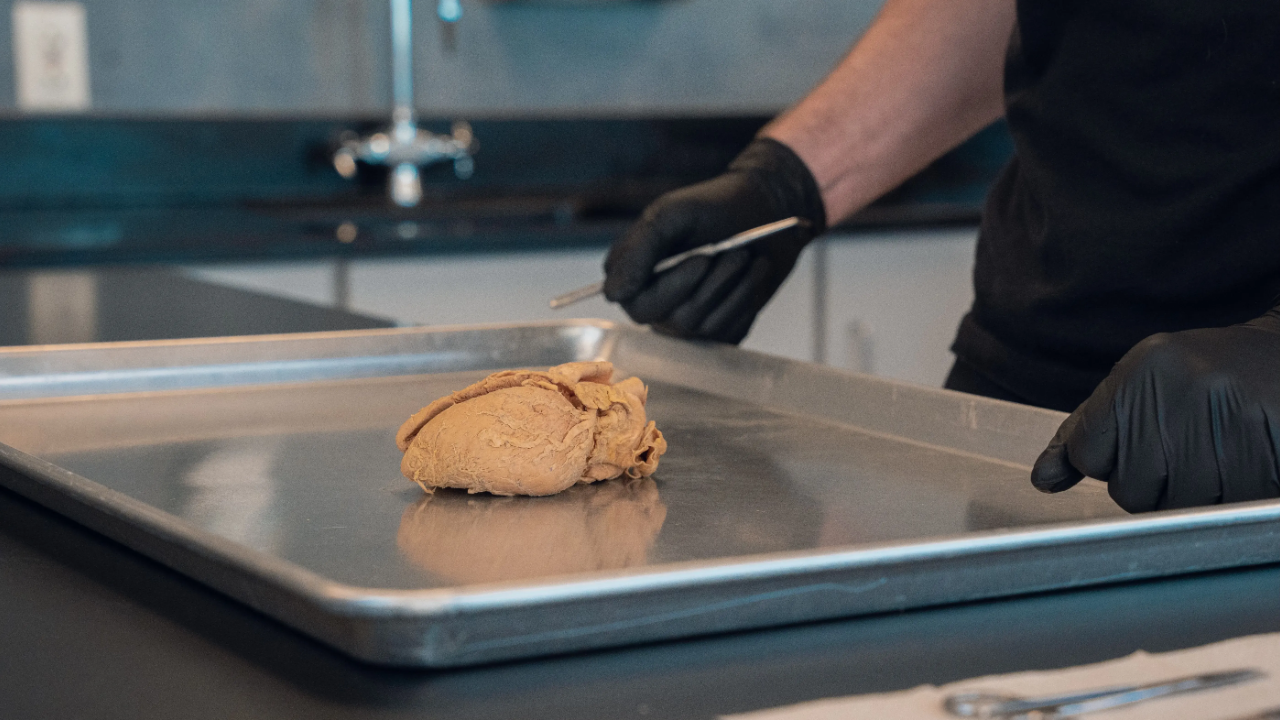
Heart Failure Explained: Causes, Symptoms, Treatments
Apr 11, 2026The human heart is an extraordinary organ - a tireless powerhouse working to circulate blood, oxygen, and nutrients throughout the body. Despite its incredible endurance, the heart is not invincible. When it becomes too weak to meet the body’s demands, the condition known as heart failure occurs. But what exactly is heart failure, and how does it develop? This comprehensive guide explains the causes, symptoms, and treatment options for heart failure, offering essential insights for healthcare students, professionals, and anatomy enthusiasts.
Understanding Heart Failure: What It Is and What It’s Not
Many people mistakenly equate heart failure with the sudden cessation of the heart’s function, but this is actually cardiac arrest. Heart failure, on the other hand, is a chronic condition where the heart gradually loses its ability to pump enough blood and oxygen to meet the body’s needs. This inefficiency causes a backup of blood within the circulatory system, leading to a cascade of symptoms and complications.
Heart failure is also categorized by the affected part of the heart:
- Left-sided heart failure: The left ventricle struggles to pump oxygenated blood to the body, often leading to fluid buildup in the lungs.
- Right-sided heart failure: The right ventricle cannot efficiently pump blood to the lungs, causing fluid to accumulate in the legs, abdomen, or liver.
- Biventricular failure: Both sides of the heart are compromised, leading to widespread congestion and reduced function.
Anatomy of the Heart and Its Role in Heart Failure
To fully grasp the intricacies of heart failure, it’s crucial to understand the heart’s structure and function. The heart is divided into two sides:
- Right Side: Handles deoxygenated blood from the body and pumps it to the lungs for oxygenation.
- Left Side: Receives oxygen-rich blood from the lungs and pumps it to the rest of the body.
Key Features of the Heart Relevant to Failure:
- Valves: These one-way structures, like the tricuspid and mitral valves, ensure proper blood flow. Valve malfunction (e.g., narrowing or leaking) can contribute to heart failure.
- Myocardium (Heart Muscle): The thickness of the heart’s muscular walls corresponds to its workload. For instance, the left ventricle’s thicker wall enables it to pump blood throughout the entire body. However, prolonged strain can weaken or damage this muscle over time.
Why Your Heart Doesn't EXPLODE Pumping 2000 Gallons a Day
Causes of Heart Failure
Heart failure doesn’t occur in isolation; it is often the result of underlying conditions or damage to the heart. Here are the primary culprits:
1. Heart Attack (Myocardial Infarction)
The leading cause of heart failure is damage from a heart attack. When a blood clot blocks a coronary artery, the heart muscle downstream is deprived of oxygen. If blood flow isn’t restored swiftly, cardiac muscle fibers die and are replaced by nonfunctional scar tissue, reducing the heart’s ability to pump effectively.
What Happens During a Heart Attack | Anatomy of a Heart Attack
2. High Blood Pressure (Hypertension)
Chronic hypertension forces the heart to work harder to pump blood against elevated pressure in the arteries. Over time, the heart muscle thickens (hypertrophy), becomes weaker, and eventually dilates, leading to reduced pumping efficiency.
3. Valve Disorders
Malfunctioning heart valves, such as those affected by stenosis (narrowing) or regurgitation (leaking), increase the workload on the heart. For example, aortic valve stenosis forces the left ventricle to pump harder, while regurgitation can lead to blood "backflow", creating a vicious cycle of strain and weakening.
4. Lung Diseases and Pulmonary Hypertension
Conditions like chronic obstructive pulmonary disease (COPD) can increase pressure in the pulmonary arteries, overburdening the right ventricle and leading to right-sided heart failure.
5. Other Causes
- Cardiomyopathies (diseases of the heart muscle)
- Infections affecting the heart muscle
- Congenital heart defects
Symptoms of Heart Failure
Heart failure symptoms can range from mild to severe, often worsening over time if left untreated. The condition’s hallmark signs include:
- Shortness of Breath: Fluid buildup in the lungs (common in left-sided heart failure) can make even simple activities, like climbing stairs, feel exhausting.
- Swelling (Edema): Fluid accumulation in the legs, ankles, abdomen, or liver is characteristic of right-sided heart failure.
- Fatigue and Weakness: Reduced oxygen delivery leaves the body feeling drained, even during light activity.
- Persistent Cough or Wheezing: Lung congestion can cause a chronic, sometimes pink-tinged cough.
- Rapid Weight Gain: Sudden fluid retention may cause noticeable weight changes over a few days.
- Irregular Heartbeats: Palpitations or fluttering sensations may occur, signaling electrical disturbances in the heart.
- Cognitive Impairment and Nausea: Low oxygen levels can affect brain function, while reduced blood flow to the digestive system may cause appetite loss.
Diagnosing and Managing Heart Failure
Early diagnosis and intervention are critical in managing heart failure and improving quality of life. Physicians often assess heart function using tools like echocardiograms, which measure the ejection fraction - the percentage of blood pumped out of the left ventricle with each heartbeat. In healthy individuals, this value is 50–70%, but in heart failure, it often drops below 40%.
Treatment Approaches
Heart failure management focuses on slowing disease progression, alleviating symptoms, and improving daily life. Key strategies include:
1. Lifestyle Changes:
- Diet: A heart-healthy, low-sodium diet can reduce fluid retention.
- Exercise: Cardiac rehabilitation programs and moderate physical activity can strengthen the heart safely.
- Monitoring Weight: Sudden increases may signal worsening fluid buildup.
2. Medications:
- Diuretics: Remove excess fluid to reduce swelling and shortness of breath.
- ACE Inhibitors and Beta Blockers: Relax blood vessels and lower strain on the heart.
- Antiarrhythmics: Address irregular heart rhythms.
3. Advanced Interventions:
- Pacemakers: Help regulate heart rhythms.
- Left Ventricular Assist Devices (LVADs): Mechanical pumps that support the heart’s ability to circulate blood.
- Heart Transplant: Reserved for severe cases when other treatments fail.
Unpacking the "Congestive" in Heart Failure
The term "congestive" refers to the blood and fluid backup caused by heart failure. In left-sided heart failure, blood accumulates in the lungs, leading to pulmonary congestion and difficulty breathing. In right-sided heart failure, fluid backs up into the systemic veins, causing swelling in the extremities and abdomen.
This congestion creates a chain reaction:
- Left-sided failure often triggers increased pressure in the lungs, leading to right-sided failure over time.
- The result is a cycle of worsening symptoms, emphasizing the importance of early treatment.
Key Takeaways
- Heart failure is a chronic condition where the heart cannot pump enough blood to meet the body’s needs.
- The most common causes include heart attacks, high blood pressure, and valve disorders.
- Symptoms range from shortness of breath and fatigue to swelling and fluid retention.
- Diagnosing heart failure often involves measuring ejection fraction and evaluating cardiac function.
- Management strategies include lifestyle changes, medications, and, in advanced cases, mechanical support or transplantation.
- Early intervention and monitoring can significantly improve quality of life and slow disease progression.
Heart failure is a complex but manageable condition when addressed with the right combination of medical care, education, and lifestyle adjustments. Whether you’re a student, healthcare professional, or anatomy enthusiast, understanding this condition is a vital step toward improving outcomes for yourself or those you care for.
Source: "How Your Heart Slowly Starts to Fail" - Institute of Human Anatomy, YouTube, Feb 8, 2026

