What You’ll Learn:
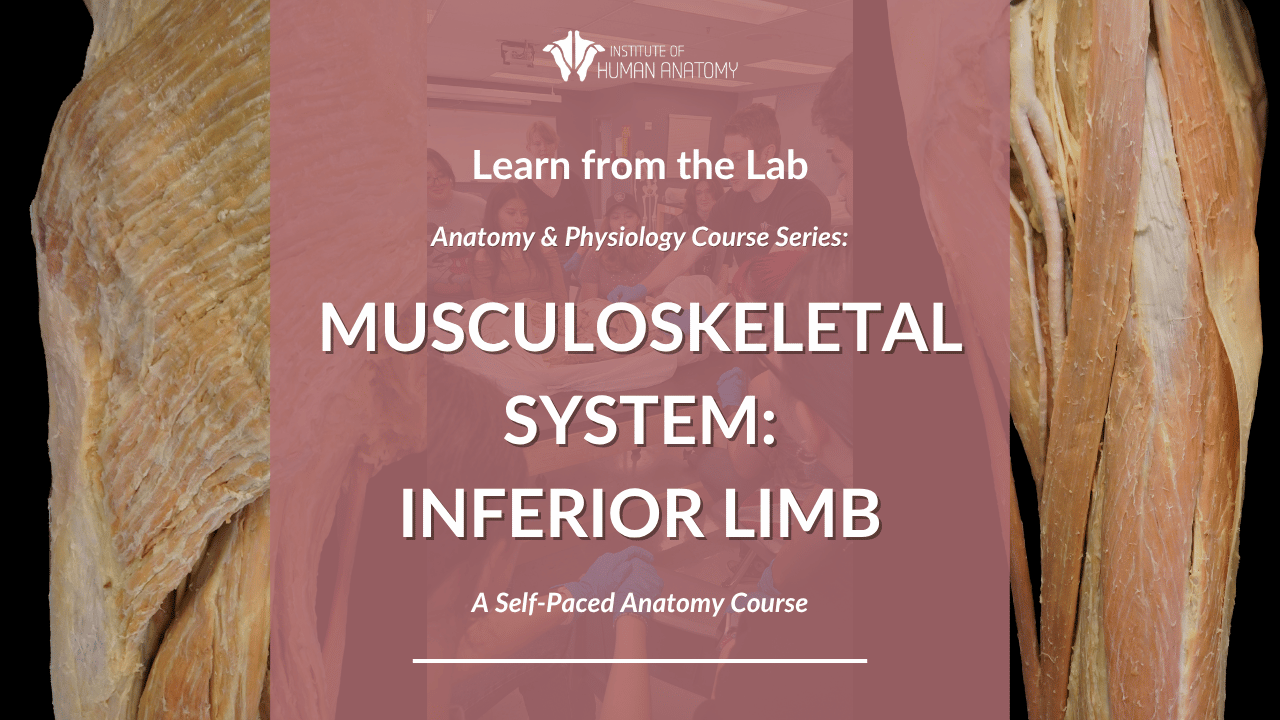
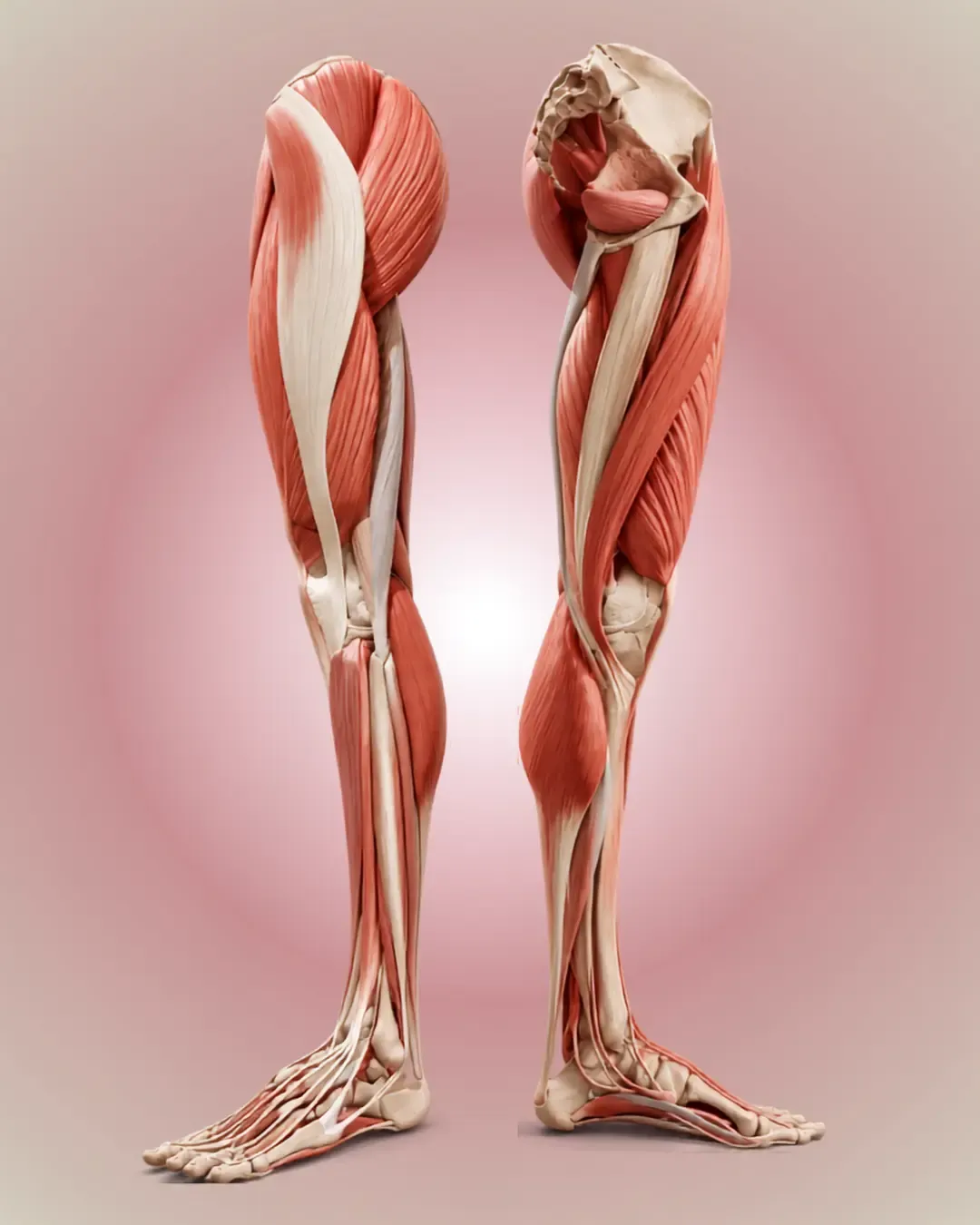
✔ Explore the bones of the inferior limb, including the femur, patella, tibia, fibula, and foot bones, along with key anatomical landmarks.
✔ Examine the major hip and thigh muscles, including the gluteal, adductor, quadriceps, and hamstring groups, and their roles in movement and stability.
✔ Understand the muscles of the leg and foot, their compartments, attachments, and actions.
✔ Study the attachments and actions of major muscle groups and their contributions to lower limb function.
✔ Explore the major joints, tendons, and connective tissues of the hip, knee, and ankle and how they support movement and stability.
✔ Understand how the bones, muscles, joints, and connective tissues work together to support body weight, posture, and locomotion.
✔ Connect inferior limb anatomy with balance, weight bearing, stability, and coordinated movement.
Real Experiences. Real Learning.

“I thoroughly enjoyed the class, there was so much to absorb! I love how personable everyone is in real life. Y'all make learning fun and the content easy to understand. Thank you”
- Bonnie M., Former Personal Trainer
“It's such a pleasure to join you on the live stream. What I've learned is already helping me in my day-to-day work life, thank you!”
- Patti S.
“Amazing class! It really helped me understand the spinal cord and peripheral nerves.”
-Eri M., Bodywork Professional
“I learned a lot. I can't wait to hear of more of these in the future. It was amazing! Thank you guys SO much!!!”