
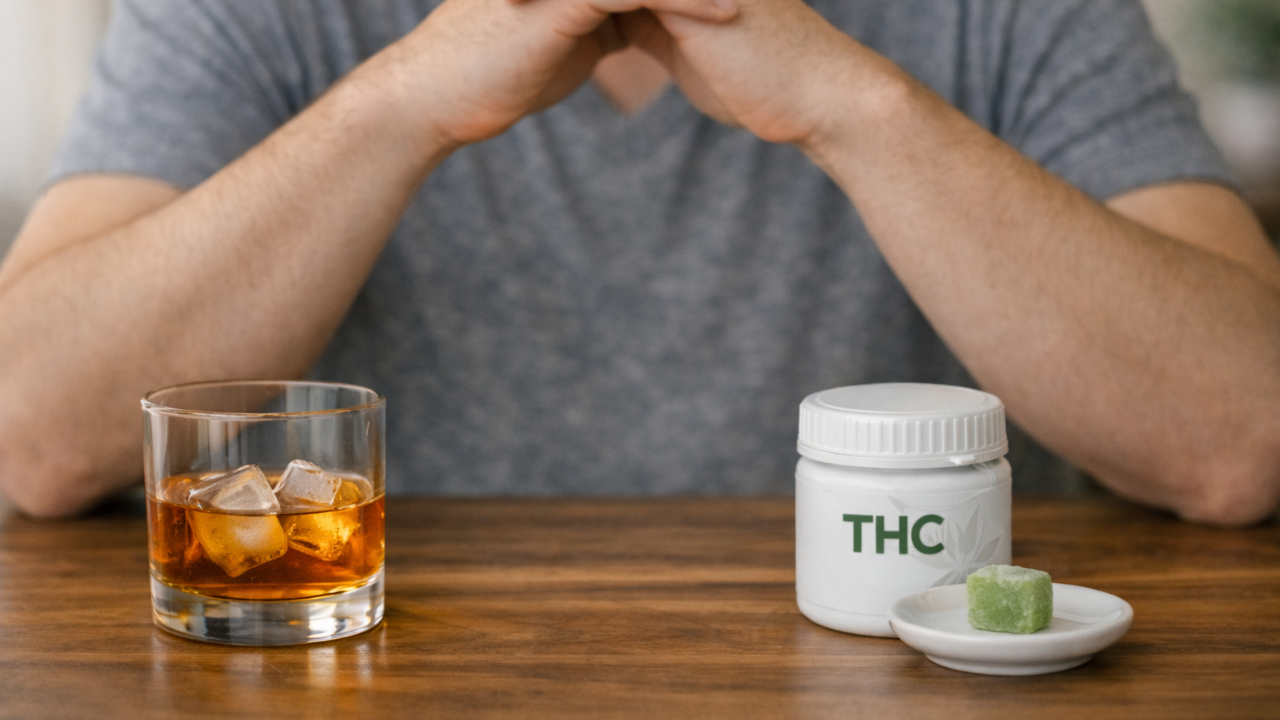
Alcohol vs THC: Health Effects Compared
Jun 07, 2026By Jonathan Bennion, MPA-C, Co-Founder & Lead Anatomist, Institute of Human Anatomy
Alcohol and THC (tetrahydrocannabinol) are two of the most commonly used psychoactive substances worldwide, and their widespread prevalence often sparks debates about which is "better" or "worse." Though they share some superficial similarities, the ways they interact with the body and brain are fundamentally different. Understanding these differences is critical for making informed decisions about their use.
This article explores the intricate physiological effects of alcohol and THC, from how they're absorbed to their short- and long-term impacts on your brain, cardiovascular system, and other organs. By the end of this deep dive, you'll have a clear understanding of their mechanisms of action, potential risks, and how they affect our cognition, memory, and overall health.
Alcohol vs. THC: Absorption and Onset
Alcohol: A Quick and Predictable Journey Through the Digestive System
When consumed, alcohol (ethanol) follows a fairly straightforward route. It travels down the esophagus to the stomach, where 10-20% is absorbed directly through the stomach lining. The majority, however, is absorbed in the small intestine.
- Empty Stomach vs. Full Stomach:
Blood alcohol levels peak faster on an empty stomach (30-60 minutes) compared to eating beforehand, especially foods rich in fats or proteins, which slow absorption (1-3 hours).
What Alcohol Does to Your Body
THC: A Route-Dependent Experience
THC enters the body differently depending on the method of use:
- Inhalation (Smoking or Vaping): THC moves quickly from the lungs into the bloodstream, typically taking effect within minutes.
- Edibles: THC must pass through the digestive system and liver before entering the bloodstream, making the onset slower but more potent and longer-lasting. In the liver, THC is converted into 11-hydroxy-THC, a compound that is more potent, amplifying its effects.
Key Difference: Alcohol follows a consistent absorption process, while THC's effects depend heavily on the route of entry, with edibles producing stronger and longer-lasting effects than inhalation.
This is What THC Does to the Body
Brain Effects: Suppression vs. Signal Alteration
Alcohol: Turning Down Brain Activity
Alcohol is a central nervous system depressant. It enhances the inhibitory neurotransmitter GABA while suppressing the excitatory neurotransmitter glutamate. This results in a slowing of brain activity, particularly in key areas:
- Prefrontal Cortex: Impaired judgment and reduced impulse control.
- Hippocampus: Disrupted memory formation, often leading to blackouts.
- Cerebellum: Decreased coordination and balance.
- Brainstem: At high doses, suppressed breathing and heart rate, making alcohol poisoning life-threatening.
THC: Altering the Brain's Signals
THC interacts with the brain’s endocannabinoid system by binding to CB1 receptors, altering how neurons communicate. Instead of broadly slowing brain activity, it changes how signals are processed:
- Hypothalamus: Alters hunger signals, contributing to the "munchies."
- Dopamine Pathways: Triggers feelings of euphoria or relaxation but may also cause anxiety or paranoia in certain individuals.
- Cognitive Processing: THC disrupts focus and short-term memory, causing mental fog or lost trains of thought.
Memory and Cognition:
- Alcohol: Can completely suppress the formation of new memories, leading to blackouts.
- THC: Interferes with cognitive processing, making it harder to focus or recall thoughts, but does not completely shut down memory formation.
Cardiovascular Effects: A Tale of Two Responses
Both substances affect the cardiovascular system, but their mechanisms differ:
- Alcohol: Causes dilation of blood vessels, which can temporarily lower blood pressure. In response, the heart rate may increase slightly.
- THC: Also causes vasodilation but results in a more noticeable increase in heart rate. This is why some users feel their heartbeat becoming more pronounced.
Red Eyes:
THC's vasodilation effect extends to the small blood vessels in the eyes, causing the characteristic redness often associated with cannabis use. Alcohol, while causing some dilation, rarely produces this effect to the same extent.
Appetite and Other Physical Effects
THC: Driving Hunger
THC directly interacts with the hypothalamus to intensify hunger signals, making food seem more rewarding. This effect explains why individuals often feel hungry despite having recently eaten.
Alcohol: Lowering Inhibitions
Rather than stimulating hunger directly, alcohol lowers inhibitions, making people less concerned about how much or what they eat.
Other Effects of THC:
- Dry Mouth: THC binds to cannabinoid receptors in salivary glands, reducing saliva production.
- Lung Irritation: Smoking cannabis introduces combustion byproducts that can irritate lung tissue over time.
Long-Term Effects: Structural vs. Functional Impacts
Alcohol: Progressive Organ Damage
Alcohol’s long-term effects are primarily structural, with the liver being the most affected organ:
- Toxic Metabolites: Alcohol is metabolized into acetaldehyde, a toxic compound that causes inflammation and oxidative stress.
- Liver Damage: Chronic alcohol use can lead to fatty liver, fibrosis, and cirrhosis, where the liver's structure and function are permanently impaired.
- Cancer Risk: Alcohol is classified as a carcinogen and linked to cancers of the liver, esophagus, colon, and more.
Why Health Organizations Are Changing Alcohol Rules in 2026
THC: Functional Changes in the Brain
Long-term THC use tends to cause functional, rather than structural, changes:
- Cognitive Effects: Persistent memory, attention, and learning impairments with heavy use.
- Mental Health: Increased anxiety, mood changes, and reduced motivation in some individuals.
- Tolerance and Dependence: Frequent use may lead to cannabis use disorder and withdrawal symptoms like irritability and sleep disturbances.
Cancer Risk:
While smoking cannabis introduces harmful byproducts, the link between THC and cancer is less established compared to alcohol. Non-smoked forms, like edibles, show no clear evidence of cancer risk at typical levels of use.
Addiction and Withdrawal: A Comparison
Alcohol:
- High potential for physical dependence and dangerous withdrawal symptoms, including seizures in severe cases.
- Tolerance builds quickly, often leading to increased consumption.
THC:
- Tolerance develops with heavy use, but withdrawal symptoms (e.g., irritability, reduced appetite) are typically less severe and not life-threatening.
Key Difference: Alcohol withdrawal is medically dangerous, whereas THC withdrawal, while uncomfortable, is not considered life-threatening.
Key Takeaways
- Absorption: Alcohol follows a predictable digestive pathway, while THC’s effects vary depending on whether it’s inhaled or ingested.
- Brain Effects: Alcohol suppresses brain activity, while THC alters signal processing.
- Memory Impacts: Alcohol can cause memory blackouts, while THC interferes with cognitive focus and recall.
- Appetite: THC intensifies hunger signals, while alcohol lowers inhibitions, indirectly influencing food intake.
- Long-Term Health Risks: Alcohol causes progressive organ damage and increases cancer risk. THC’s long-term effects are more functional, with risks linked to heavy use or the method of consumption.
- Addiction & Dependence: Alcohol has a higher risk of dangerous withdrawal, while THC withdrawal is milder but still significant.
Conclusion
Alcohol and THC impact the body in profoundly different ways, and comparing them isn’t as simple as labeling one better or worse. Alcohol is more strongly associated with structural damage to the body, while THC’s effects are largely functional and route-dependent. Regardless of which substance is used, understanding their effects empowers individuals to make informed decisions based on reliable, science-backed information.
By taking a closer look at how these substances interact with our physiology, we can better navigate the complexities of their use and minimize potential risks. Remember, moderation and informed choices are key to ensuring your overall health and well-being.
Source: "Alcohol or THC: Which is Worse?" - Institute of Human Anatomy

About the Author
Jonathan Bennion, MPA-C, is Co-Founder and Director of Education at the Institute of Human Anatomy, where he has taught anatomy and physiology for over 15 years. A trained anatomist and lead dissector, Jonathan holds a Master of Physician Assistant degree and works as a medical provider in Urgent Care.

