
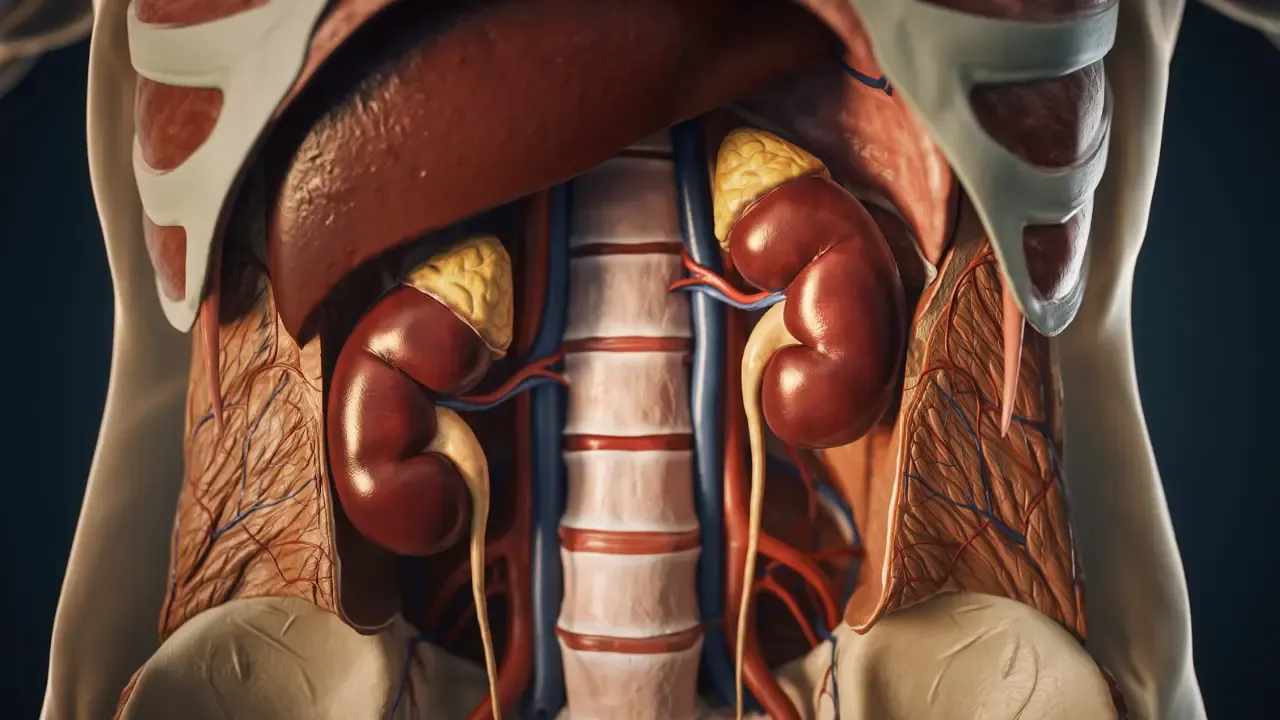
What Your Body Actually Does With Toxins | Liver, Kidneys & Detoxification Explained
Jun 10, 2026In our modern world, the term "detox" has become a pervasive buzzword, often associated with restrictive diets, expensive supplements, and dramatic cleanses promising to rid your body of harmful substances. But what does "detoxification" truly mean from a scientific perspective? How does the human body, an marvel of biological engineering, actually handle the constant influx of potentially harmful compounds it encounters daily?
The truth is, your body doesn't need a special juice cleanse or a weekend fast to "detox." It possesses an incredibly sophisticated, continuously operating, and highly efficient system for neutralizing and eliminating toxins, running 24 hours a day, seven days a week. This intricate network of organs, enzymes, and biochemical pathways is one of the most remarkable aspects of human physiology, ensuring our internal environment remains stable and healthy.
At the heart of this ceaseless purification process are the liver and kidneys – two powerhouse organs that bear the primary responsibility for filtering, processing, and expelling unwanted substances. However, they are far from alone in this vital task; other systems, including the gastrointestinal tract, lungs, skin, and lymphatic system, play crucial supporting roles in maintaining our body's pristine internal balance, a state known as homeostasis.
At the Institute of Human Anatomy, our mission is to demystify these complex anatomical and physiological processes, offering a deeper appreciation for the incredible design of the human body. Understanding how your body naturally handles toxins is not just fascinating; it empowers you to make informed decisions about your health and well-being.
Defining "Toxins" in a Biological Context
Before diving into the mechanics, let's clarify what we mean by "toxins." In biology, a toxin is any substance that can be harmful to an organism. These can be broadly categorized into two types:
Endogenous Toxins: The Body's Own Byproducts
These are substances produced within the body as a natural part of metabolic processes. While essential for life, if allowed to accumulate, they can become toxic. Examples include:
- Urea: A waste product from protein metabolism.
- Ammonia: Another byproduct of protein breakdown, highly toxic if not converted.
- Bilirubin: A waste product from the breakdown of red blood cells.
- Lactic Acid: Produced during intense exercise when oxygen is limited.
- Free Radicals: Unstable molecules produced during normal metabolism, which can damage cells.
Exogenous Toxins: From the External World
These are substances we encounter from our environment, food, water, and air. They are not naturally produced by the body and can range from relatively harmless to acutely poisonous. Examples include:
- Environmental Pollutants: Heavy metals (lead, mercury), pesticides, industrial chemicals, air pollution.
- Alcohol and Certain Medications: Processed by the body, often producing toxic metabolites.
- Food Additives: Preservatives, artificial colors, and flavors.
- Pathogens: Bacteria, viruses, fungi, and their toxins.
The body's detoxification systems are designed to handle both categories, transforming them into less harmful, water-soluble forms that can be safely excreted.
The Master Chemists: The Liver's Role in Detoxification
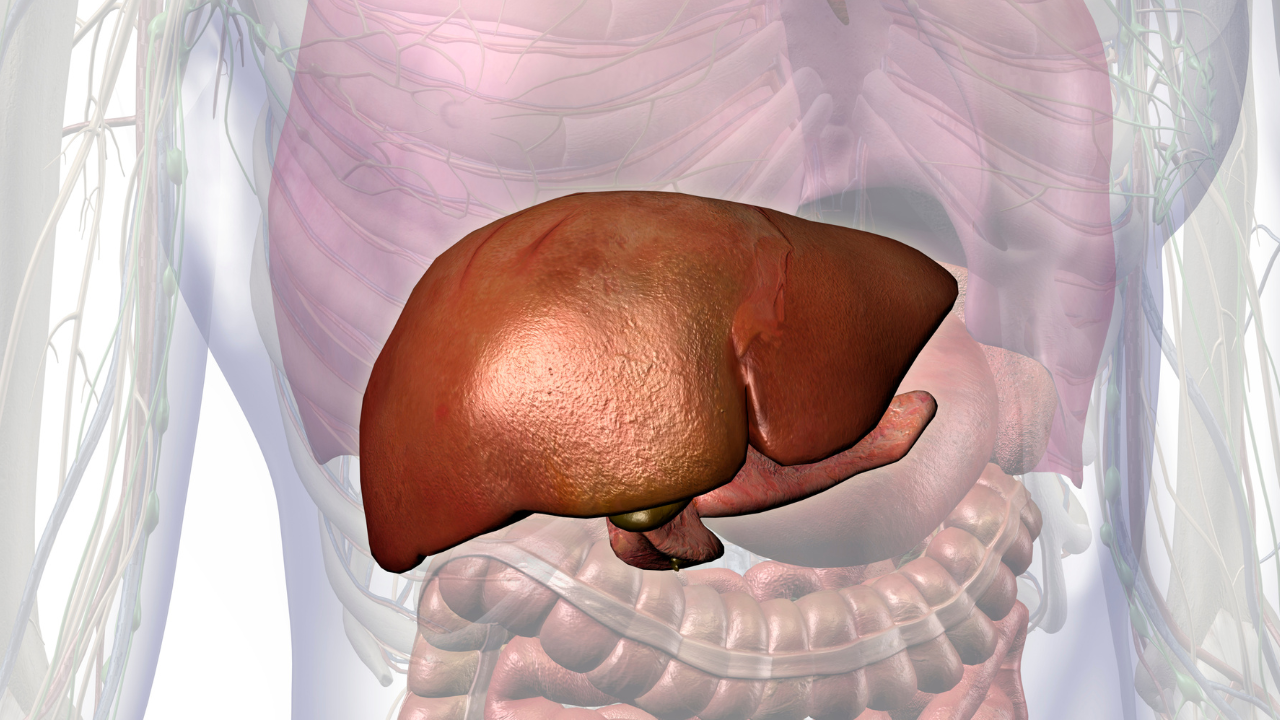
Often hailed as the body's most significant chemical factory, the liver is unequivocally the primary organ for detoxification. Weighing about three pounds, this remarkable organ performs over 500 vital functions, with detoxification being one of its most critical. Located in the upper right quadrant of the abdomen, the liver acts as a gatekeeper, processing virtually everything absorbed from the digestive tract before it enters the general circulation.
The liver's detoxification process is typically described in two main phases: Phase I (Functionalization) and Phase II (Conjugation).
Phase I Detoxification: Breaking Down Toxins
This initial phase involves a group of enzymes, most famously the cytochrome P450 enzyme family (CYP450). These enzymes are primarily located in the endoplasmic reticulum of liver cells (hepatocytes). Their job is to modify fat-soluble toxins through various chemical reactions, including:
- Oxidation: Adding oxygen to a molecule.
- Reduction: Removing oxygen or adding hydrogen.
- Hydrolysis: Breaking a bond by adding water.
The goal of Phase I is to make toxins more water-soluble and, importantly, to introduce a "handle" or reactive site onto the molecule. This handle makes it easier for Phase II enzymes to attach another molecule to it.
Analogy: Think of Phase I as taking a large, complex, and potentially dangerous object (a toxin) and breaking it down into smaller, more manageable pieces. While this process is crucial, sometimes these intermediate metabolites can be even more reactive and potentially harmful than the original toxin. This is why Phase II detoxification is so vital.
Phase II Detoxification: Neutralizing and Tagging for Excretion
Following Phase I, the liver moves into Phase II, known as conjugation. This is where the liver attaches specific molecules to the "handled" toxins from Phase I. These molecules are typically large, highly water-soluble compounds that effectively neutralize the toxin and prepare it for easy excretion via urine or bile. Key Phase II reactions include:
- Glucuronidation: Attaching glucuronic acid (a sugar derivative). This is a major pathway for drugs, hormones, and bilirubin.
- Sulfation: Attaching a sulfate group. Important for hormones, neurotransmitters, and certain drugs.
- Glutathione Conjugation: Attaching glutathione, a powerful antioxidant and detoxifying agent, to toxins. Critical for neutralizing free radicals and a wide range of harmful chemicals.
- Amino Acid Conjugation: Attaching amino acids like glycine or taurine.
- Acetylation & Methylation: Attaching acetyl or methyl groups.
Analogy: If Phase I broke the object into pieces, Phase II is like shrink-wrapping each piece in a water-soluble, non-toxic package, complete with a shipping label (making it ready for excretion). These "packaged" toxins are now much less harmful and easily transported out of the body.
Bile Production and Elimination
After Phase II, many of these conjugated toxins are excreted into bile, a digestive fluid produced by the liver. Bile travels to the small intestine, where it aids in fat digestion and subsequently carries these detoxified substances out of the body via feces. This also highlights the crucial role of the gastrointestinal tract in the overall detoxification process.
The complexity of these hepatic (liver) functions truly underscores the importance of this organ. For those interested in delving deeper into the intricate workings of the liver and other vital organs, our All Courses and Anatomy Study Bundles offer comprehensive educational resources.
The Body's Filtration System: The Kidneys' Role in Excretion
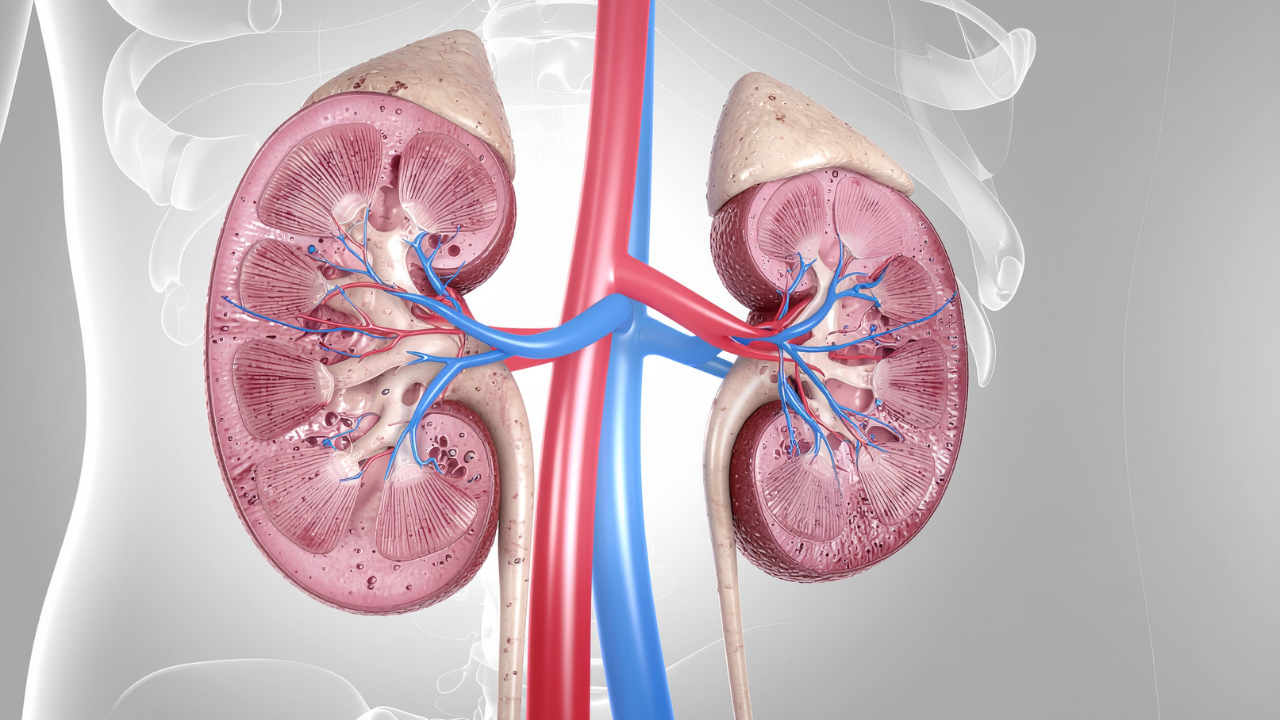
While the liver masterfully transforms toxins, the kidneys are the body's meticulous filtration and waste removal specialists. These two bean-shaped organs, each about the size of a fist, are located just below the rib cage, on either side of the spine. They process an astounding 180 liters (about 47 gallons) of blood plasma every day, filtering out waste products and excess water to produce urine.
The functional unit of the kidney is the nephron, and each kidney contains over a million of these microscopic filters. The process of urine formation and waste excretion within the kidneys involves three main steps:
1. Glomerular Filtration
Blood enters the kidney through the renal artery and then flows into tiny capillary networks called glomeruli within each nephron. Here, under pressure, water and small solutes (like salts, glucose, amino acids, urea, and the water-soluble toxins processed by the liver) are pushed out of the blood and into Bowman's capsule, forming a fluid called filtrate. Large molecules like proteins and blood cells are typically retained in the blood.
2. Tubular Reabsorption
As the filtrate moves through the various sections of the renal tubule (proximal tubule, loop of Henle, distal tubule), the body reclaims essential substances it needs. This is a highly selective process:
- Glucose, amino acids, and most water are reabsorbed back into the bloodstream.
- Electrolytes like sodium, potassium, and chloride are reabsorbed in varying amounts to maintain the body's fluid and electrolyte balance.
This step ensures that valuable nutrients are not lost with waste products.
3. Tubular Secretion
This is an active process where additional waste products, drugs, hydrogen ions (for pH balance), and other excess substances that were not filtered initially are actively transported from the blood into the renal tubule. This provides a "second chance" to remove substances that might have been too large to filter or were in low concentration in the blood initially.
After these three stages, the remaining fluid, now highly concentrated with waste products, is called urine. It flows from the renal tubules into collecting ducts, then into the renal pelvis, down the ureters, and into the bladder for storage before excretion.
The kidneys are critical for maintaining fluid balance, electrolyte balance, blood pressure, and producing hormones, in addition to their waste elimination role. The collaborative effort between the liver, which renders toxins water-soluble, and the kidneys, which efficiently excrete these water-soluble wastes, is a prime example of the body's intricate and interconnected systems. Studying the complexities of the renal system is greatly aided by visual aids and interactive tools, which you can find among our Anatomy Tools and Digital Resources.
Supporting Players in the Detoxification Symphony
While the liver and kidneys are the main stars, several other organs and systems contribute significantly to the body's overall detoxification and elimination capabilities.
The Gastrointestinal Tract: A Key Barrier and Eliminator
The gastrointestinal (GI) tract, particularly the intestines, plays a multifaceted role in detoxification:
- Barrier Function: The gut lining acts as a physical barrier, preventing harmful bacteria, toxins, and undigested food particles from entering the bloodstream.
- Microbiome: The trillions of microorganisms in your gut, collectively known as the gut microbiome, are crucial. They metabolize and detoxify certain compounds, produce beneficial short-chain fatty acids, and even aid in breaking down some plant toxins. A healthy microbiome can prevent the reabsorption of toxins excreted in bile (enterohepatic circulation).
- Elimination: Through the formation and excretion of feces, the GI tract removes solid waste, including undigested food, fiber, and toxins excreted via bile.
The Lungs: Exhaling Volatile Toxins
The lungs are not just for oxygen intake and carbon dioxide expulsion. They also eliminate volatile toxic compounds from the body. For example, when you consume alcohol, a small percentage is exhaled through your breath. Other volatile organic compounds, like certain solvents, can also be expelled this way. This is why breath tests can detect alcohol or other substances.
The Skin: A Minor Excretory Organ
While often highlighted in "detox" marketing, the skin's role in eliminating significant amounts of toxins is relatively minor compared to the liver and kidneys. It acts primarily as a protective barrier. Sweat glands do excrete small amounts of water, salts, urea, and some other metabolic byproducts. However, the idea that you can "sweat out" large quantities of toxins like heavy metals or environmental pollutants is largely exaggerated.
The Lymphatic System: Waste Transport and Immune Support
The lymphatic system is a vast network of vessels, nodes, and organs that plays a vital role in fluid balance, immune function, and waste transport. It collects excess interstitial fluid (lymph) from tissues, filters it through lymph nodes where immune cells neutralize pathogens and cellular debris, and eventually returns it to the bloodstream. While not directly detoxifying in the same way as the liver or kidneys, an efficient lymphatic system ensures that cellular waste products and immune complexes are moved out of tissues and eventually processed by the main excretory organs. Maintaining healthy lymphatic flow is paramount for overall health, a concept often explored in our Massage Therapy & Bodywork In-Lab Workshop.
Debunking "Detox Diets" and Fads
Given the body's already robust and continuous detoxification systems, it becomes clear why many popular "detox" diets, cleanses, and products are largely unnecessary and often lack scientific backing.
- The body is always detoxifying: It doesn't need a specific "detox period." Its systems are always on.
- No scientific evidence: Most commercial detox products and protocols have not been proven effective in clinical trials and can sometimes be harmful, leading to nutrient deficiencies, electrolyte imbalances, or interactions with medications.
- Focus on supporting, not replacing: Instead of trying to "force" detoxification, the emphasis should be on supporting the body's natural, highly evolved mechanisms through healthy lifestyle choices.
The human body is not a machine that periodically clogs up and needs a reset button; it is a dynamic, self-regulating organism constantly working to maintain its optimal state.
How to Support Your Body's Natural Detoxification Processes
Understanding the sophisticated mechanisms your body employs should inspire a deeper appreciation for its capabilities. Instead of seeking quick-fix "detoxes," focus on habits that support these incredible natural processes:
1. Stay Hydrated
Water is fundamental. It's the primary solvent for transporting nutrients, waste products, and toxins, and it's essential for kidney function. Adequate hydration helps your kidneys efficiently filter blood and excrete waste via urine. Aim for pure, clean water throughout the day.
2. Embrace a Nutrient-Rich Diet
Your liver's Phase I and Phase II detoxification enzymes require a constant supply of specific nutrients, vitamins, and minerals to function optimally.
- Antioxidant-rich foods: Fruits, vegetables, and berries (especially cruciferous vegetables like broccoli, cauliflower, and kale) provide antioxidants that protect cells from damage by free radicals generated during Phase I. They also supply compounds that activate Phase II enzymes.
- Adequate protein: Provides the amino acids necessary for various Phase II conjugation pathways (e.g., methionine, cysteine, glycine).
- Fiber: Found in whole grains, fruits, and vegetables, fiber supports a healthy gut microbiome and aids in the elimination of toxins and waste products through feces, preventing their reabsorption.
- Healthy fats: Support bile flow and cellular integrity.
- Minimize processed foods, sugar, and unhealthy fats: These can put an unnecessary burden on your liver and contribute to inflammation.
- Limit alcohol intake: Alcohol places a significant metabolic burden on the liver.
3. Prioritize Regular Physical Activity
Exercise boosts circulation, which enhances nutrient delivery to cells and waste removal. It also stimulates lymphatic flow, helping to clear cellular debris and support immune function. Even moderate activity, like a brisk walk, can have significant benefits.
4. Ensure Adequate Sleep
Sleep is a critical period for cellular repair and regeneration throughout the body, including the liver and kidneys. During deep sleep, the brain also undergoes its own "detoxification" process, clearing metabolic waste products. Chronic sleep deprivation can impair metabolic function and stress the body's systems.
5. Manage Stress Effectively
Chronic stress can negatively impact various bodily systems, including digestion, immune function, and hormonal balance, indirectly affecting detoxification pathways. Practices like meditation, yoga, spending time in nature, or engaging in hobbies can help manage stress.
6. Reduce Environmental Toxin Exposure
While impossible to eliminate entirely, you can consciously reduce your exposure to exogenous toxins:
- Choose organic foods when possible to minimize pesticide exposure.
- Use natural, non-toxic cleaning products and personal care items.
- Ensure good ventilation in your home and workplace.
- Filter your drinking water.
These simple, consistent habits are far more effective in supporting your body's natural detoxification capabilities than any fleeting "detox" trend. For more general health information and insights, explore our Blog Articles and General FAQs.
The Educational Imperative: Understanding Our Bodies
The human body is an awe-inspiring marvel of engineering and biological complexity. Understanding its intricate systems, like the sophisticated detoxification network, not only fosters a deeper appreciation for our own biology but also empowers us to make more informed choices about our health. When you comprehend the underlying physiology, you can discern scientific fact from marketing hype and truly partner with your body to support its incredible abilities.
At the Institute of Human Anatomy, we believe that knowledge is the foundation of well-being. By demystifying complex anatomical concepts, we aim to inspire curiosity and promote a holistic understanding of how we function. From the microscopic enzymes in the liver to the vast filtration networks of the kidneys, every component plays a vital role in maintaining the delicate balance of life.
Conclusion
Your body doesn't need to be "detoxed"; it is constantly and expertly detoxifying itself. The liver and kidneys are the heroic primary organs orchestrating this essential process, working tirelessly to neutralize and eliminate harmful substances, whether they arise from our metabolism or enter from the external environment. They are supported by a symphony of other systems, each playing a crucial role in maintaining your health and vitality.
By understanding and respecting these natural processes, and by adopting a lifestyle that supports rather than hinders them, you can truly honor the incredible resilience and wisdom of your own body. Continue to explore, learn, and appreciate the magnificent machine that is you.
For those eager to deepen their understanding of human anatomy and physiology, we invite you to explore the diverse educational opportunities available at the Institute of Human Anatomy. From comprehensive All Courses and specialized Anatomy Study Bundles to insightful Digital Resources and immersive In-Lab Workshops, we are dedicated to bringing the wonders of the human body to life. Learn more ABOUT us and embark on your journey of discovery.

