
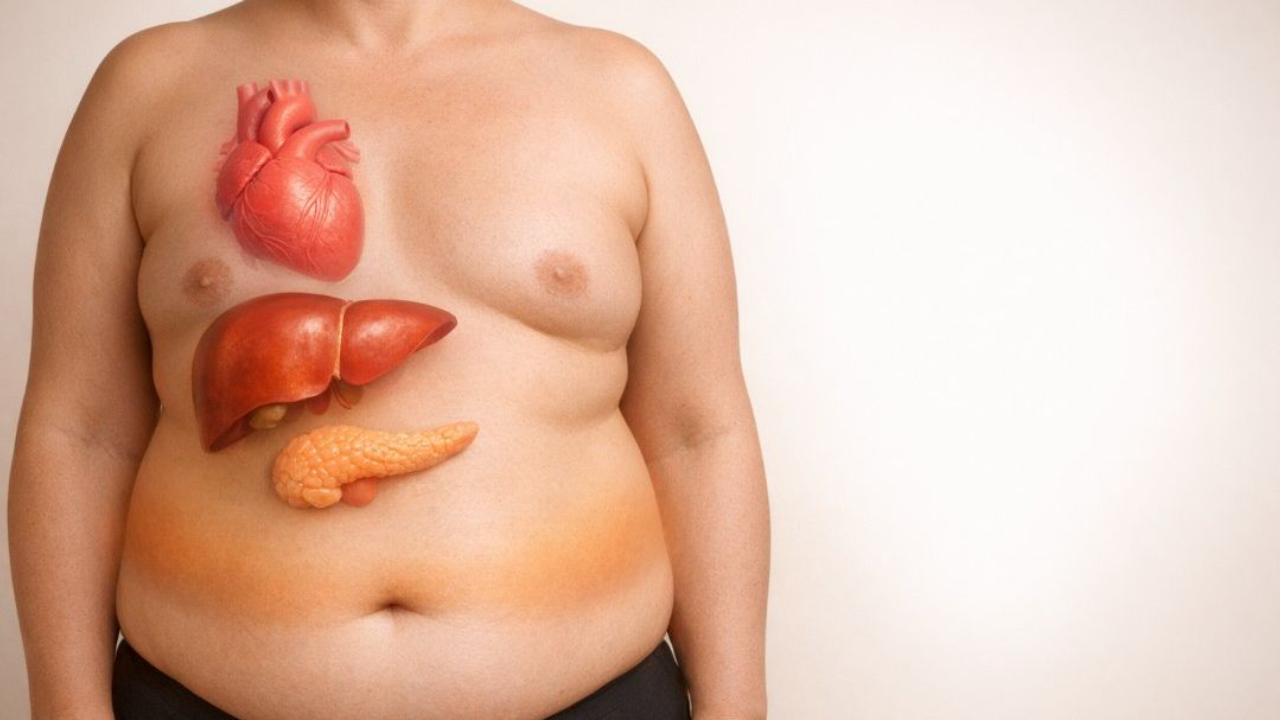
How Obesity Impacts Organs: Heart, Liver, Pancreas
May 20, 2026By Jonathan Bennion, MPA-C, Co-Founder & Lead Anatomist, Institute of Human Anatomy
Obesity is often associated with external appearances and body weight, but its deeper effects on the human body are far more critical. Beneath the surface, excess fat - especially visceral fat - creates a cascade of physiological changes that can disrupt organ function, metabolic balance, and overall health. This article takes a closer look at how obesity can affect the heart, liver, and pancreas, revealing the hidden dangers behind excess adipose tissue and offering insights into how these changes can be mitigated.
What Is Obesity and Why Does It Matter?
In medical terms, obesity is often defined using Body Mass Index (BMI), a metric that compares an individual’s weight to their height. While BMI has limitations - it doesn't differentiate between fat and muscle mass - it remains a useful tool for gauging excess adipose tissue, or body fat, in most people.
Adipose tissue, commonly referred to as fat, is not just an inert storage system. It plays an active role in the body by:
- Storing energy
- Providing insulation and cushioning
- Releasing hormones and signaling molecules
These functions are essential at healthy fat levels. However, in cases of obesity, particularly when visceral fat (fat stored around internal organs) dominates, these functions can become dysregulated, resulting in health complications. Excess visceral fat is especially problematic because it is more metabolically active than subcutaneous fat (fat stored just under the skin).
The Scary Truth About Visceral Body Fat
How Obesity Impacts the Heart
The heart plays a critical role in delivering oxygen and nutrients to all parts of the body, including adipose tissue. When adipose tissue increases due to obesity, it places additional demands on the cardiovascular system. Here are the key changes that occur:
1. Increased Blood Volume and Cardiac Output
Excess adipose tissue requires more oxygen and nutrients, which leads to an increase in blood volume. Consequently, the heart must work harder to pump this additional blood, resulting in a rise in cardiac output (the amount of blood pumped each minute). This often leads to an increase in resting heart rate and stroke volume (the amount of blood ejected with each heartbeat).
2. Elevated Blood Pressure
Obesity can activate systems like the sympathetic nervous system and the renin-angiotensin-aldosterone system. These systems cause blood vessels to constrict and promote water and sodium retention, increasing total peripheral resistance - the force the heart must overcome to pump blood. This combination of increased resistance and higher cardiac output often results in hypertension (high blood pressure).
3. Structural Changes to the Heart
Over time, the additional workload causes the heart's left ventricle (the chamber responsible for pumping blood to the body) to thicken in a process called left ventricular hypertrophy. While initially helpful for generating more force, a thickened heart muscle can become stiffer, reducing its ability to relax and fill with blood. This can lead to diastolic heart failure and reduced exercise tolerance.
The Liver: The Body’s Metabolic Powerhouse
The liver, the second-largest organ in the body, is a hub for nutrient processing, blood glucose regulation, and fat metabolism. Obesity, particularly visceral fat accumulation, significantly disrupts its functions.
1. Fatty Liver Disease
One of the most well-known effects of obesity on the liver is non-alcoholic fatty liver disease (NAFLD). This condition arises when fat accumulates in liver cells (hepatocytes), often due to an overload of fatty acids delivered to the liver.
2. Insulin Resistance in the Liver
When the liver becomes resistant to insulin, it fails to respond to signals to stop producing and releasing glucose into the bloodstream. This exacerbates high blood sugar levels and contributes to conditions like prediabetes and type 2 diabetes.
3. Progression to Fibrosis or Cirrhosis
While early stages of fatty liver disease (steatosis) are often reversible with weight loss, chronic inflammation can lead to fibrosis (scarring). Advanced fibrosis can progress to cirrhosis, where normal liver structures are replaced by scar tissue, resulting in irreversible organ dysfunction.
The Pancreas and Insulin Resistance
The pancreas has both digestive and hormonal functions. Its endocrine cells produce insulin, the hormone responsible for regulating blood glucose levels. Obesity can trigger a dangerous cycle of insulin resistance, overwork, and eventual exhaustion of the pancreas.
1. Insulin Resistance and Overproduction
When tissues like the liver and muscles become resistant to insulin, the pancreas compensates by producing more of it. This overwork often keeps blood sugar levels in check for a while but at the cost of elevated insulin levels.
2. Beta Cell Failure
Over time, the pancreas's insulin-producing beta cells can lose their ability to function, leading to poorly controlled blood sugar levels and worsening type 2 diabetes. Chronic high blood sugar also damages blood vessels and nerves, increasing the risk of complications like neuropathy, heart attack, and stroke.
The Role of Visceral Fat in Chronic Disease
A recurring theme in obesity-related health challenges is the role of visceral fat. Unlike subcutaneous fat, visceral fat is highly metabolically active, producing inflammatory molecules and hormones that:
- Increase inflammation throughout the body
- Contribute to insulin resistance
- Disrupt blood pressure regulation, leading to hypertension
This makes visceral fat a primary driver of the chronic diseases associated with obesity, including heart disease, fatty liver disease, and type 2 diabetes.
Fat: The Good, the Bad, & the Truth About Losing It
The Good News: Many Changes Are Reversible
For individuals facing obesity-related health challenges, there is hope. Modest weight loss - even as little as 5–10% of body weight - can result in significant improvements in metabolic health. Here’s how:
- Blood Pressure: Often decreases as the heart and blood vessels face less strain.
- Insulin Sensitivity: Improves, reducing the workload on the pancreas and lowering blood sugar levels.
- Liver Health: Fatty liver disease can reverse, and inflammation can subside with reduced visceral fat.
While some changes, like advanced fibrosis or atherosclerosis, may be irreversible, lifestyle modifications can still prevent further progression and dramatically improve quality of life.
Key Takeaways
- Adipose tissue is not inert: Excess fat, especially visceral fat, disrupts organs by increasing inflammation, insulin resistance, and blood pressure.
- The heart, liver, and pancreas are particularly vulnerable, leading to conditions like fatty liver disease, type 2 diabetes, and heart failure.
- Modest weight loss of just 5–10% of body weight can yield significant health benefits, improving blood pressure, liver function, and insulin sensitivity.
- Visceral fat is more metabolically active and more closely linked to chronic disease than subcutaneous fat.
- Reversing many of these changes is possible, particularly in the early stages, through lifestyle changes like exercise and a balanced diet.
Making Informed Decisions About Your Health
Understanding how obesity affects the body's organs can empower individuals to take proactive steps toward better health. Whether through diet, exercise, or medical guidance, addressing excess adipose tissue can alleviate stress on the body and significantly improve long-term outcomes.
By recognizing the hidden impact of obesity and taking steps to reduce visceral fat, you can work toward a healthier, more resilient body. Remember, no matter where you are on your health journey, even small changes can create meaningful improvements.
Source: "What Obesity REALLY Does To Your Organs"

About the Author
Jonathan Bennion, MPA-C, is Co-Founder and Director of Education at the Institute of Human Anatomy, where he has taught anatomy and physiology for over 15 years. A trained anatomist and lead dissector, Jonathan holds a Master of Physician Assistant degree and works as a medical provider in Urgent Care.

