
Understanding Period Cramps: The Anatomy and Science Behind Menstrual Pain
Nov 06, 2026By Jonathan Bennion, MPA-C, Co-Founder & Lead Anatomist, Institute of Human Anatomy
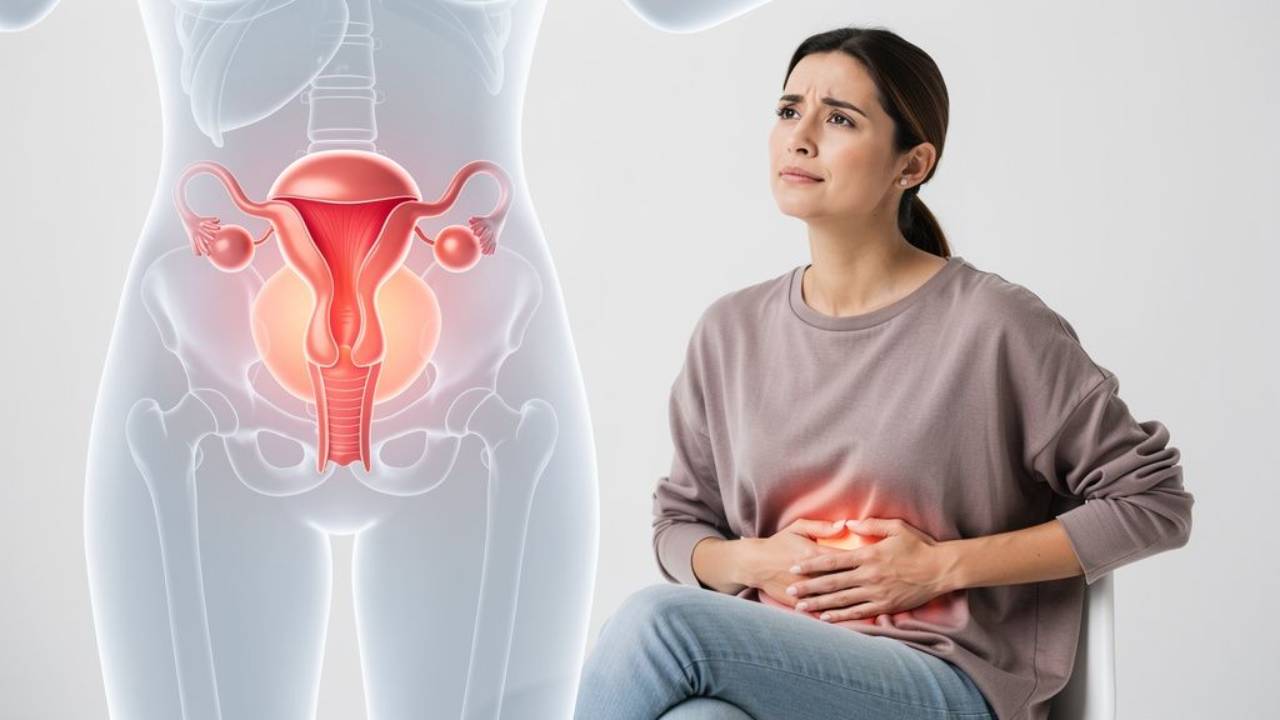
For many people, period cramps are a regular part of the menstrual cycle. Also known as menstrual pain (medically called dysmenorrhea), they can range from mild discomfort to pain that interferes with daily activities. Although the experience varies from person to person, the cramps have a clear biological cause. They are linked to changes in the female reproductive system as the body prepares for a possible pregnancy and sheds the uterine lining when pregnancy doesn't occur.
In short, period cramps happen when the uterus contracts to shed its lining and the blood vessels supplying that lining narrow, reducing the oxygen reaching the tissue.
To understand why period cramps happen, let's look at the pelvic anatomy, particularly the uterus, and the processes that take place during the menstrual cycle.
What Are Period Cramps?
A Look at the Female Pelvic Anatomy
To understand menstrual pain, it helps to first identify the organs involved. A mid-sagittal view of the pelvis, which shows the body as if it were cut down the middle, gives us a clear look at how these structures are positioned in relation to one another.
In this view, we can identify several important structures:
- The Rectum: Located toward the back of the pelvis, the rectum is the final section of the large intestine.
- The Vaginal Canal: Positioned in front of the rectum, the vaginal canal extends upward toward the cervix.
- The Cervix: The narrow, lower part of the uterus that opens into the vaginal canal.
- The Uterus: A muscular, pear-shaped organ that supports the development of an embryo and, later, a fetus during pregnancy.
- The Ovary and Uterine Tube (Fallopian Tube): The ovaries produce eggs and hormones. The uterine tubes provide a pathway for an egg to travel toward the uterus.
- The Bladder: Located in front of the uterus, the bladder stores urine.
- The Pubic Bone: Forms the front of the pelvis and provides structural support and protection.
These structures work together as part of the female reproductive system. Their locations and functions help explain what happens during menstruation.
The Uterus and the Endometrium
The uterus plays a central role in the menstrual cycle. During pregnancy, it provides an environment where an embryo can implant and develop into a fetus. To prepare for this possibility, the uterus builds up a specialized inner lining called the endometrium.
The endometrium becomes thicker and develops a rich supply of blood vessels and glands. This creates an environment that can support a fertilized egg after implantation.
You may also have heard of endometriosis. This condition involves tissue similar to the endometrium growing outside the uterus. It is one example of how important this tissue is to reproductive health.
What Is Endometriosis?
How Hormones Prepare the Uterine Lining
Throughout the menstrual cycle, the ovaries produce hormones, mainly estrogen and progesterone. These hormones signal the endometrium to grow and change in preparation for a possible pregnancy.
As the lining develops, it becomes thicker, more vascular, and more glandular. These changes help prepare the uterus for implantation.
In early pregnancy, the embryo initially receives nutrients from the endometrium before the placenta develops enough to take over this role. If pregnancy doesn't occur, however, the uterine lining is no longer needed and will eventually be shed.
What Everyone Should Understand About a Woman's Cycle
Why Do Period Cramps Happen?
When pregnancy doesn't occur, the body begins the process of shedding the endometrium. This is menstruation, and it's also when many people experience period cramps.
The process involves three main events:
- Blood Vessel Constriction and Ischemia
The blood vessels supplying the endometrium begin to constrict, reducing blood flow to the uterine lining. This limits the amount of oxygen reaching the tissue.
When tissue doesn't receive enough blood and oxygen, the condition is called ischemia. This lack of oxygen can cause pain and contributes to the discomfort associated with menstruation. - Uterine Contractions
The muscular walls of the uterus begin to contract. These contractions help separate the endometrium from the uterine wall so it can be shed.
The uterus is essentially working to push out the lining that built up during the menstrual cycle. These contractions are a major part of what causes period cramps. - Shedding of the Uterine Lining
As the uterus contracts, the shed endometrium passes through the cervix and out of the body through the vaginal canal. This is the menstrual flow commonly known as a period.
Menstruation typically lasts around three to five days, although the length can vary from person to person.
Key Takeaways: What Causes Period Cramps
Period cramps are linked to the monthly changes that take place in the female reproductive system. Hormones help the endometrium grow in preparation for pregnancy. When pregnancy doesn't occur, blood flow to the lining decreases, the uterine muscles contract, and the lining is shed through the cervix and vaginal canal.
Understanding the pelvic anatomy, the role of the endometrium, and the process of ischemia helps explain why menstrual pain occurs. What many people experience as period cramps is connected to the uterus and the work it does during each menstrual cycle.
The Female Reproductive Cycle - Period Cramps | Part 1

About the Author
Jonathan Bennion, MPA-C, is Co-Founder and Director of Education at the Institute of Human Anatomy, where he has taught anatomy and physiology for over 15 years. A trained anatomist and lead dissector, Jonathan holds a Master of Physician Assistant degree and works as a medical provider in Urgent Care.

