
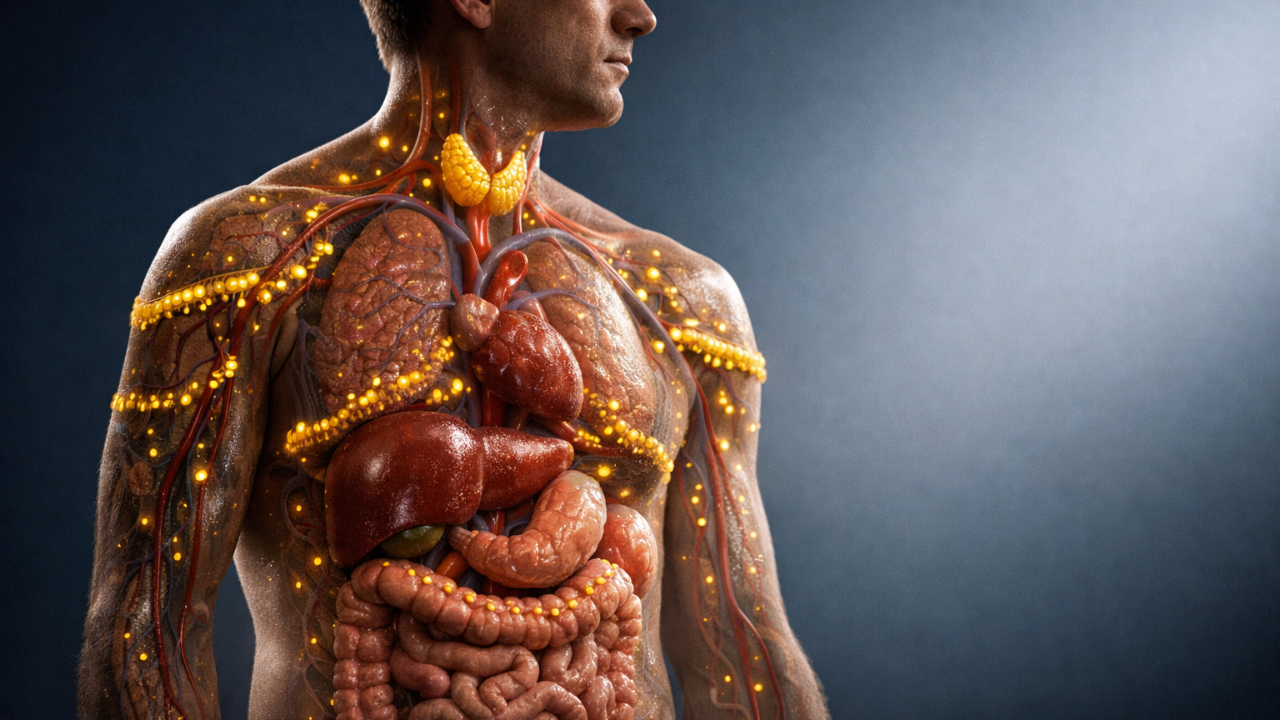
How Cholesterol Functions in Your Body
Jun 14, 2026By Jonathan Bennion, MPA-C, Co-Founder & Lead Anatomist, Institute of Human Anatomy
Cholesterol - it's a word that often raises red flags in conversations about health. Many people associate it with heart disease and dietary restrictions, but cholesterol plays a far more nuanced and essential role in the body than it’s often given credit for. This article explores the vital functions of cholesterol in the human body, demystifies its role in health, and explains why this misunderstood molecule is both a friend and a potential foe.
Whether you're a healthcare professional, a student diving into anatomy and physiology, or simply someone looking to improve your understanding of the body, this guide will provide clarity and actionable insights about cholesterol.
What Is Cholesterol?
Cholesterol is a waxy, fat-like substance found in every cell of the body. Contrary to common perceptions, cholesterol isn’t inherently bad. In fact, the body needs cholesterol for a variety of critical functions, including hormone production, cell structure maintenance, and digestion. While some cholesterol comes from the foods we eat, the liver produces the majority of the cholesterol necessary for bodily functions.
The Two Faces of Cholesterol: HDL vs. LDL
For simplicity, cholesterol is often grouped into two categories:
- High-Density Lipoprotein (HDL): Commonly referred to as "good cholesterol", HDL helps remove excess cholesterol from the bloodstream, carrying it back to the liver for processing and elimination.
- Low-Density Lipoprotein (LDL): Known as "bad cholesterol", LDL can contribute to the buildup of plaque in arteries, increasing the risk of cardiovascular diseases.
The balance between these two types of cholesterol is vital for health, as they play opposing roles in the body’s systems.
Essential Functions of Cholesterol
Despite its reputation, cholesterol is indispensable to many biological processes. Here are the key roles it plays:
1. Building Cell Membranes
Cholesterol is a fundamental component of cell membranes, providing structural integrity and flexibility. It ensures that cells maintain their shape and function effectively, whether in the brain, muscles, or skin.
2. Producing Hormones
Cholesterol serves as the building block for several essential hormones, including:
- Steroid hormones like cortisol, which helps regulate stress response and metabolism.
- Sex hormones such as estrogen, progesterone, and testosterone, which are crucial for reproductive health.
Without cholesterol, the body could not produce these critical signaling molecules.
3. Aiding Digestion
The liver uses cholesterol to produce bile acids, which are essential for digesting fats. These bile acids help break down dietary lipids into smaller molecules that the body can absorb and utilize for energy.
4. Synthesizing Vitamin D
Cholesterol in the skin interacts with sunlight to produce vitamin D, a nutrient that is vital for bone health, immune function, and mood regulation.
Cholesterol and Cardiovascular Health: A Balancing Act
While cholesterol is vital for health, excessive levels - particularly of LDL - can lead to complications. High levels of LDL cholesterol can result in the buildup of fatty deposits (plaque) in the arteries, a condition known as atherosclerosis. This narrows the arteries, restricting blood flow, and increases the risk of heart attacks and strokes.
On the other hand, maintaining higher levels of HDL cholesterol can help clear out excess cholesterol from the blood, reducing the risk of plaque buildup.
Factors Influencing Cholesterol Levels
Several factors can influence your cholesterol levels, including:
- Diet: Foods high in saturated and trans fats can increase LDL cholesterol, while healthy fats (like those found in nuts and fish) can improve HDL levels.
- Exercise: Regular physical activity helps raise HDL cholesterol and lower LDL cholesterol.
- Genetics: Some individuals have a genetic predisposition to high cholesterol, regardless of lifestyle.
- Overall Health: Conditions like diabetes and obesity can negatively impact cholesterol balance.
The Worst Kind of Heart Disease & How to Prevent It
Beyond the Basics: Misconceptions About Cholesterol
There are several myths surrounding cholesterol, and understanding the truth is key to making informed health decisions.
- Myth #1: All Cholesterol Is Bad
As discussed, cholesterol is necessary for numerous bodily functions. It’s the balance between LDL and HDL, not the presence of cholesterol itself, that determines health outcomes. - Myth #2: You Should Completely Avoid Cholesterol-Rich Foods
While diet plays a role in cholesterol levels, the liver adjusts its production of cholesterol based on dietary intake. For most people, eating moderate amounts of cholesterol-rich foods like eggs is not harmful. - Myth #3: Cholesterol Issues Are Only a Concern for Older Adults
Cholesterol imbalances can occur at any age. Early prevention through a healthy lifestyle is key to maintaining optimal cholesterol levels in the long term.
Key Takeaways
- Cholesterol Is Essential: It supports critical functions like hormone production, digestion, and cell membrane structure.
- Balance Matters: Managing HDL and LDL levels is crucial for cardiovascular health.
- Diet and Lifestyle Are Key: Eating a balanced diet, exercising regularly, and avoiding smoking can positively influence cholesterol levels.
- Genetics Play a Role: Some individuals may need medical intervention to manage cholesterol levels despite leading a healthy lifestyle.
- Stay Informed: Understanding cholesterol’s role can help you make better decisions about your health.
Actionable Steps for Better Cholesterol Management
- Incorporate Healthy Fats: Focus on unsaturated fats from sources like avocados, olive oil, and salmon.
- Stay Active: Aim for at least 150 minutes of moderate exercise per week to boost HDL levels.
- Limit Processed Foods: Reduce your intake of trans and saturated fats found in fried and processed foods.
- Get Regular Checkups: Having your cholesterol levels checked periodically can help you monitor and address any imbalances early.
- Consider Professional Guidance: If you have a family history of high cholesterol, consult a healthcare provider for personalized strategies.
Conclusion
Cholesterol is a complex but vital component of human biology. While it often gets a bad rap, understanding its functions and maintaining a healthy balance can empower you to make informed and proactive health choices. Whether you’re pursuing a career in healthcare, studying anatomy, or simply curious about how your body works, knowing the truth about cholesterol is essential.
By embracing a balanced lifestyle and staying informed, you can harness the benefits of cholesterol while minimizing its risks - ensuring a healthier and more resilient body for years to come.
Source: "How Cholesterol ACTUALLY Works In Your Body" - Institute of Human Anatomy

About the Author
Jonathan Bennion, MPA-C, is Co-Founder and Director of Education at the Institute of Human Anatomy, where he has taught anatomy and physiology for over 15 years. A trained anatomist and lead dissector, Jonathan holds a Master of Physician Assistant degree and works as a medical provider in Urgent Care.

