
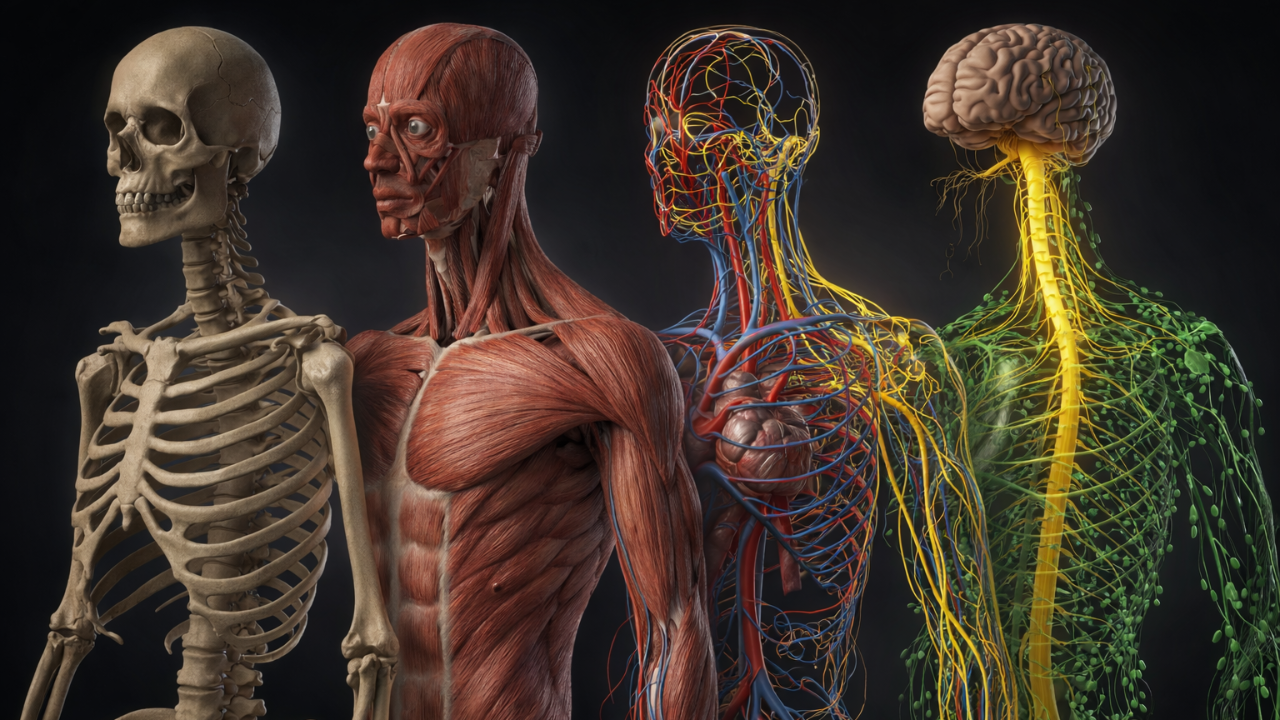
Unlocking the Body's Secrets: Why Everyone Should Explore Human Anatomy
Jun 04, 2026The human body is an extraordinary masterpiece of biological engineering, a living symphony of intricate systems working in perfect harmony. From the rhythmic beat of a microscopic cilia to the powerful contraction of a skeletal muscle, every aspect of our anatomy tells a story of survival, adaptation, and breathtaking complexity. Yet, for many, the vast subject of human anatomy remains shrouded in academic jargon, perceived as a discipline exclusively for medical professionals and scientists.
At the Institute of Human Anatomy, we believe this perception limits a profound opportunity. We contend that a foundational understanding of anatomy is not merely a subject to be mastered in a classroom but a vital key to unlocking a deeper appreciation for ourselves, our health, and the incredible design of life itself. This exploration is for everyone – the curious student, the dedicated professional, the health-conscious individual, and indeed, anyone who walks this earth. Join us as we demystify the profound journey into the wonders of the human body and discover why its secrets are meant to be unveiled by all.
Do You Know These Incredible Facts About the Human Body?
The Universal Language of Life: Why Human Anatomy Resonates Beyond the Clinic
The study of human anatomy often conjures images of complex diagrams, Latin terms, and intense medical school curricula. While it is indeed the bedrock of all healthcare professions, its relevance extends far beyond the operating room or the research lab. Anatomy is the tangible blueprint of what makes us us. It's the physical manifestation of our experiences, our potential, and our limitations.
Understanding your anatomy means understanding the machinery that allows you to breathe, think, move, and feel. It’s about recognizing the incredible precision with which your heart pumps blood, your nerves transmit signals, and your bones support your frame. This isn't just academic knowledge; it's self-knowledge. It empowers you to:
- Make informed health decisions: Knowing how your body works helps you understand medical advice, recognize symptoms, and engage proactively in your well-being.
- Appreciate your capabilities: From the delicate dexterity of your hands to the endurance of your cardiovascular system, anatomical insight fosters a deep respect for your physical abilities.
- Connect with others: Understanding the shared anatomical heritage of humanity can foster empathy and a sense of interconnectedness.
Ultimately, exploring human anatomy is about connecting with the most incredible "machine" you will ever possess. It is an exploration that fosters curiosity, critical thinking, and a profound human body appreciation.
Unpacking the Wonders of the Human Body: A Journey Through Interconnected Systems
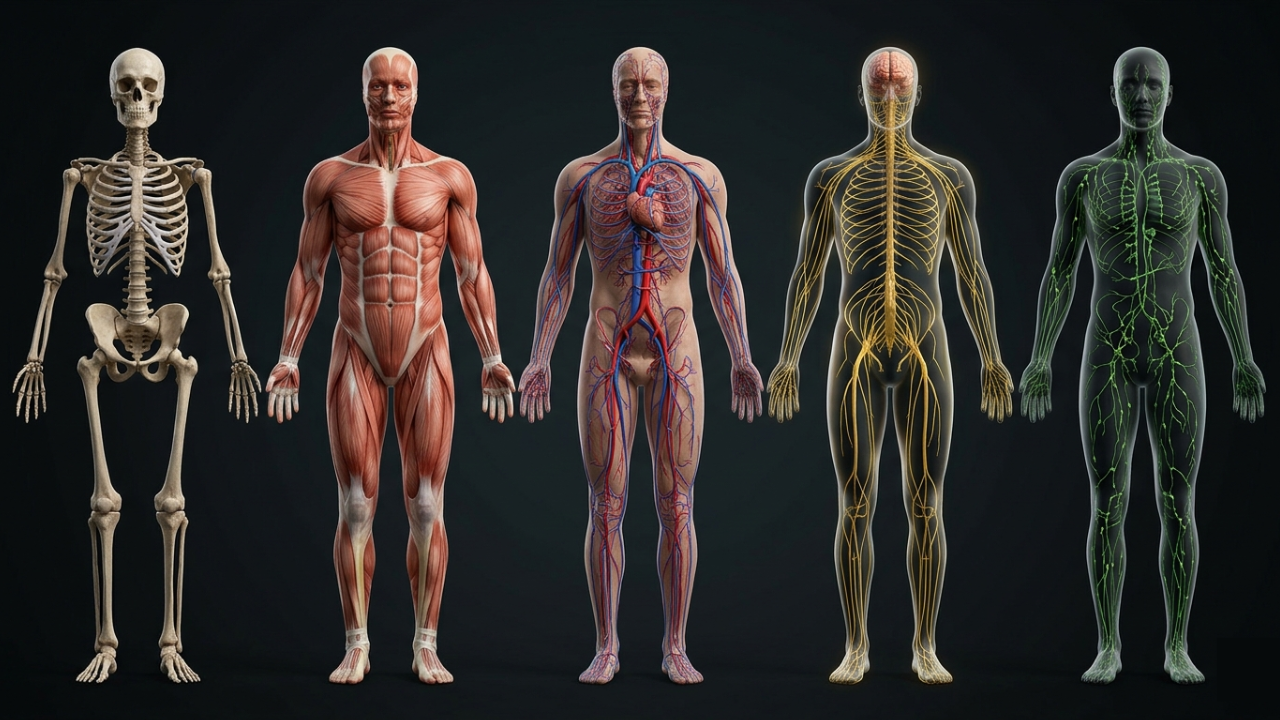
To truly grasp the magic of our form, we must journey through its primary systems, each a marvel in its own right, and all exquisitely interconnected. Forget the intimidating textbooks for a moment; let's explore some fundamental human anatomy facts that highlight the genius of our design.
The Skeletal System: Our Inner Framework
More than just a rigid structure, your bones are dynamic, living tissues. They provide support, protect vital organs, facilitate movement through articulation, and serve as crucial reservoirs for minerals like calcium. Moreover, the marrow within our bones is the birthplace of all our blood cells, a silent factory of life-sustaining components. Imagine the strength and adaptability of over 200 bones, each precisely shaped to bear weight, absorb impact, and enable complex actions from running a marathon to playing a musical instrument.
The Muscular System: The Engines of Movement
Voluntary muscles allow us to run, jump, smile, and type, while involuntary muscles in our heart and digestive tract work tirelessly without our conscious command. Comprising over 600 individual muscles, this system transforms chemical energy into mechanical force. Each muscle is a highly organized bundle of fibers, capable of contracting and relaxing with astounding precision. Understanding the intricate origin, insertion, and action of muscles is fundamental to grasping movement, posture, and even the nuances of facial expression – a topic we explore in depth in our Facial Anatomy & Facial Esthetics resources.
The Nervous System: The Body's Communication Network
The brain, spinal cord, and an expansive network of nerves constitute the body's control center. This system is responsible for everything from conscious thought and emotion to the regulation of involuntary functions like breathing and heart rate. Billions of neurons, communicating through electrochemical signals at incredible speeds, allow us to perceive the world, react to stimuli, and store memories. It's a complex, self-organizing supercomputer housed within your skull, constantly processing, interpreting, and directing.
The Cardiovascular System: The River of Life
The heart, a tireless pump, pushes several thousand gallons of blood through an extensive network of blood vessels every single day. This intricate network delivers oxygen and nutrients to every cell while carrying away waste products. Arteries, veins, and capillaries form a sophisticated transport system that sustains life, adapting to our activity levels and physiological needs. It's a testament to biological efficiency, a closed loop ensuring constant circulation.
The Respiratory System: The Breath of Existence
From the moment of birth, our lungs expand, taking in the vital oxygen needed for cellular respiration and expelling carbon dioxide. The complex structure of the lungs, with their millions of tiny air sacs (alveoli), maximizes the efficiency of gas exchange, a process critical for energy production. The rhythmic, often unconscious, act of breathing underscores our constant connection to the external environment.
The Digestive System: Fueling Our Journey
More than just a tube, the digestive system is a sophisticated chemical processing plant. From the mechanical breakdown of food in the mouth to the absorption of nutrients in the small intestine and the elimination of waste, this system meticulously extracts the energy and building blocks required for every bodily function. It's a journey of transformation, turning food into fuel.
The Endocrine System: The Body's Chemical Messengers
A network of glands produces hormones that act as chemical messengers, regulating metabolism, growth, reproduction, sleep, and mood. The endocrine system works in concert with the nervous system to maintain homeostasis, ensuring the body's internal environment remains stable despite external changes. It's a silent orchestra of chemical signals, orchestrating countless bodily processes.
The Integumentary System: Our Protective Barrier
Your skin, hair, and nails form a major organ system, acting as a crucial barrier against pathogens, UV radiation, and dehydration. It also plays a vital role in temperature regulation and sensation. This dynamic outer layer is constantly regenerating, protecting our inner world while allowing us to interact with our surroundings.
The Lymphatic System: The Body's Immune Defenders
Often overlooked, the lymphatic system is critical for immunity, fluid balance, and fat absorption. Lymph nodes filter harmful substances, and lymphocytes (a type of white blood cell) patrol the body, protecting us from illness. It's our internal defense force, ever vigilant against threats.
The Urinary System: Maintaining Balance
Kidneys, ureters, bladder, and urethra work together to filter waste products from the blood, regulate blood pressure, and maintain electrolyte balance. This system is essential for detoxification and ensuring the body's internal environment remains stable and healthy.
The Reproductive System: The Cycle of Life
The systems responsible for procreation, different in males and females, are wonders of biological design, enabling the continuation of the human species. They are driven by complex hormonal interactions and represent the ultimate expression of biological purpose.
As these body systems illustrate, each component is indispensable, and their harmonious interaction creates the miracle of human life. The beauty of anatomy lies not just in its parts, but in their perfect synergy.
Who Benefits from Learning Anatomy? The Case for "Anatomy for All"
The idea that anatomical knowledge is exclusively for medical students is a misconception we aim to correct. In reality, anatomy for all is a powerful concept with practical applications across a vast spectrum of professions and personal interests.
For Students: Laying a Solid Foundation
Whether you're aspiring to be a surgeon, a nurse, a physical therapist, an occupational therapist, a chiropractor, a massage therapist, or even a veterinary technician, a strong anatomical foundation is non-negotiable. It's the language of healthcare, providing the context for every diagnosis, treatment, and intervention. Our comprehensive All Courses and specialized workshops, like the Massage Therapy & Bodywork In-Lab Workshop and its Live Stream counterpart, are specifically designed to build this critical understanding.
Beyond direct healthcare, students in fields like:
- Kinesiology and Exercise Science: Understanding muscle attachments and joint mechanics is crucial for designing effective and safe exercise programs.
- Athletic Training: Knowledge of ligaments, tendons, and bones is essential for injury prevention and rehabilitation.
- Art and Sculpture: Artists use anatomical knowledge to create realistic and dynamic human figures.
- Forensic Science: Anatomical details are critical for identification and understanding causes of death.
- Biomedical Engineering: Designing prosthetics, implants, or medical devices requires an intimate understanding of the body's structure and function.
For Professionals: Enhancing Expertise and Client Care
Many established professionals find that deepening their anatomical knowledge significantly enhances their practice:
- Fitness Professionals & Personal Trainers: A detailed understanding of musculoskeletal anatomy allows trainers to customize workouts, prevent injuries, and explain exercises with greater clarity.
- Yoga and Pilates Instructors: Knowing the origins and insertions of muscles helps instructors guide students into safe and effective poses, deepening their practice.
- Massage Therapists & Bodyworkers: This group benefits immensely from precise anatomical knowledge, enabling them to target specific muscles, understand referred pain, and provide more effective treatment. Our workshops, such as the Massage Therapy & Bodywork In-Lab Workshop, are tailored to this need.
- Artists & Animators: Understanding human form, proportion, and movement at an anatomical level brings unparalleled realism and expression to their work.
- Ergonomists: Designing workspaces and tools requires knowing how the human body interacts with its environment to minimize strain and maximize efficiency.
- Estheticians & Cosmetologists: Particularly relevant for those focusing on advanced treatments, anatomical knowledge of facial muscles, nerves, and vascular supply is critical for safety and efficacy. Our Facial Anatomy & Facial Esthetics resources and the Facial Anatomy In-Lab Workshop provide specialized training in this area.
For the Curious Public: Empowering Self-Understanding
Even if your career path isn't directly related to anatomy, the benefits of learning about your body are immense for personal growth and well-being.
- Health Enthusiasts: Gain a deeper understanding of nutrition, exercise, and how lifestyle choices impact physiological systems.
- Parents: Better understand common childhood ailments, growth and development, and how to discuss health with their children.
- Elderly Individuals & Caregivers: Understand age-related changes, common conditions, and how to maintain quality of life.
- Anyone Interested in Well-being: From understanding why you feel pain in a certain area to optimizing your sleep, anatomical knowledge provides context and empowers healthier living.
The Institute of Human Anatomy champions this broad appeal, creating resources that make learning anatomy accessible and engaging for this diverse audience.
The Practical Power of Anatomical Knowledge in Everyday Life
Beyond academic and professional advancement, an understanding of anatomy confers tangible practical benefits in daily living. It transforms abstract biological concepts into actionable insights.
1. Informed Health Decisions and Self-Advocacy
When you understand the basic workings of your cardiovascular system, the risks associated with high blood pressure become far more tangible. When you comprehend the mechanics of your spine, the importance of good posture resonates more deeply. This knowledge allows you to:
- Ask better questions during doctor's appointments.
- Understand diagnoses and treatment plans beyond surface-level explanations.
- Evaluate health information critically, discerning fact from fiction.
- Make lifestyle choices that directly support your body's optimal function.
- Recognize when something feels "off" and seek appropriate help.
2. Injury Prevention and Rehabilitation
Whether you're an athlete, a weekend warrior, or simply someone prone to occasional aches and pains, anatomical knowledge is a powerful tool for self-care.
- Preventing Injuries: Understanding muscle groups, joint mechanics, and proper biomechanics can help you lift weights safely, run with better form, and reduce the risk of common injuries.
- Understanding Pain: Knowing where a muscle originates and inserts, or which nerves innervate a particular area, can help you pinpoint the source of discomfort and communicate it effectively to a healthcare professional.
- Effective Rehabilitation: If you do sustain an injury, understanding the affected structures helps you engage more actively and intelligently in your recovery process, adhering to physical therapy exercises with a deeper purpose.
3. Enhanced Performance in Sports and Movement
For athletes and those engaged in physical activities, anatomical insight can be a game-changer.
- Optimizing Training: Knowing which muscles are primary movers, synergists, or antagonists for a particular exercise allows for more targeted and efficient training.
- Improving Technique: Understanding the biomechanics of a golf swing, a tennis serve, or a dance movement can lead to significant improvements in form and power.
- Strategic Recovery: Knowledge of muscle physiology and repair processes can inform better recovery strategies, reducing downtime and lowering the risk of overtraining.
4. Fostering Empathy and Connection
Our bodies are the vessels through which we experience the world. Understanding the commonalities and variations in human anatomy can foster a profound sense of empathy. When you appreciate the intricate challenges faced by someone with a neurological condition, or the incredible resilience of a body recovering from trauma, it builds a bridge of understanding. This shared humanity, rooted in our biological design, strengthens our connections to one another.
Demystifying Anatomy: Accessible Learning Paths for Everyone
The journey into human anatomy can seem daunting, but it doesn't have to be. At the Institute of Human Anatomy, we are dedicated to making this profound subject accessible, engaging, and inspiring for learners of all backgrounds. We recognize that traditional learning methods aren't for everyone, and we've developed diverse resources to cater to different learning styles and needs.
Hands-On Immersion: The Unparalleled Experience
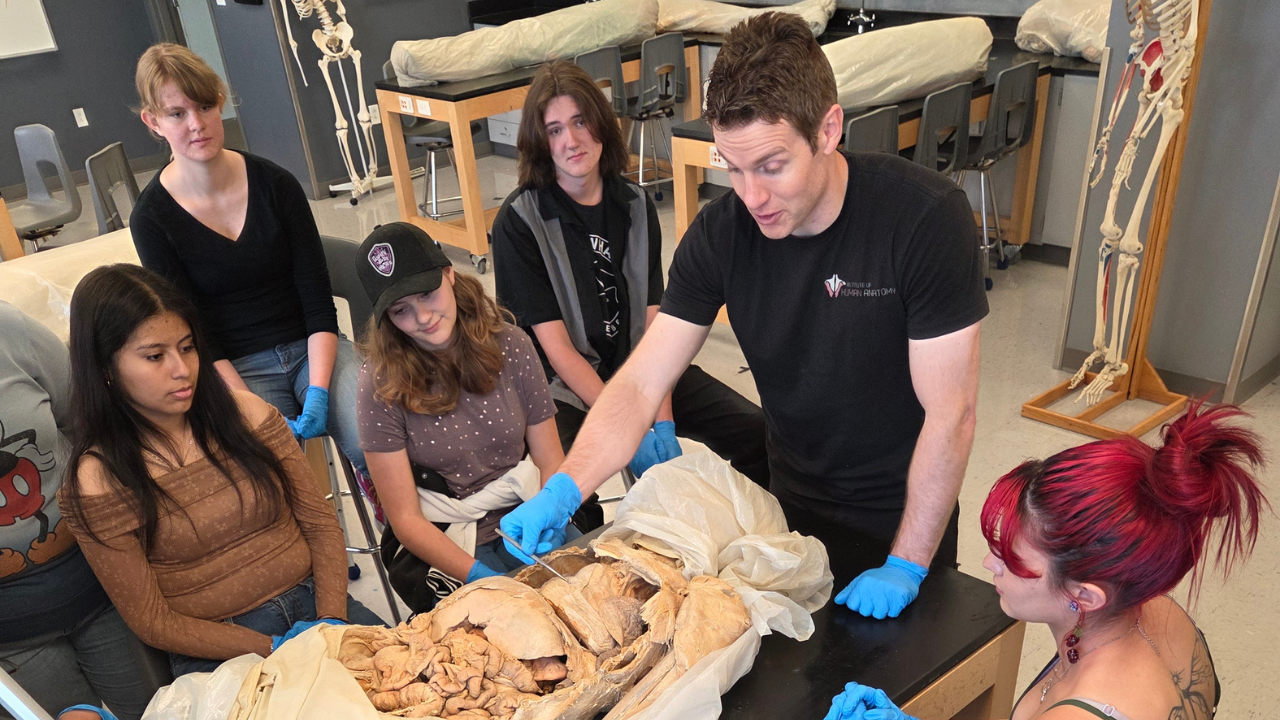
For many, true understanding blossoms through direct, tactile experience. Our in-lab workshops offer an unparalleled opportunity to study human anatomy using real human cadaveric specimens. This direct interaction provides a three-dimensional perspective that no textbook or digital model can fully replicate, offering clarity and depth that fosters genuine comprehension and respect. We cover various specialties, including our renowned Facial Anatomy In-Lab Workshop and the Massage Therapy & Bodywork In-Lab Workshop.
Digital and Online Resources: Learning at Your Own Pace
For those who prefer to learn remotely or integrate study into a busy schedule, we offer a robust suite of Digital Resources. These include:
- Online Courses: Structured learning experiences designed to guide you through complex topics. You can explore our full range of offerings via All Courses.
- Anatomy Study Bundles: Curated collections of resources to help you master specific areas of anatomy efficiently. Explore our Anatomy Study Bundles for tailored learning.
- Interactive Tools: Engaging applications and simulations that bring anatomy to life. We also offer insights into effective Anatomy Tools on our blog.
- AI Jonathan: Our cutting-edge AI assistant, AI JONATHAN, is designed to answer your anatomical questions, provide explanations, and guide your learning journey. You can Chat with AI Jonathan anytime for instant support.
- Additional Learning Resources: Students looking for supplementary anatomy references and guided study materials may also find platforms like Anatomy.app and Bootcamp.com helpful for reinforcing anatomical concepts and structured learning.
Students who prefer physical study materials may also benefit from anatomy atlases, anatomical models, and anatomy-focused textbooks for hands-on learning and visual reinforcement.
Community and Ongoing Learning
Learning anatomy is a continuous journey. Our Blog Articles provide ongoing insights, fascinating facts, and practical applications of anatomical knowledge. We encourage our community to ask questions – many of which are answered in our General FAQs and Workshop FAQs sections.
We believe that by providing diverse, high-quality educational pathways, we can make learning anatomy an enriching and accessible experience for anyone with a spark of curiosity.
Cultivating a Deeper Human Body Appreciation
Beyond the scientific understanding, the study of human anatomy nurtures a profound sense of awe and wonder. It's an invitation to pause and reflect on the intricate engineering that allows us to experience the world. Every beat of our heart, every thought that crosses our mind, every movement we make is a testament to the biological genius encoded within our DNA.
When you understand the complexity of a single cell, the elegance of a joint's articulation, or the vast network of the nervous system, it’s impossible not to develop a deeper human body appreciation. This appreciation isn't just intellectual; it's visceral. It encourages us to treat our bodies with greater respect, to fuel them wisely, to move them joyfully, and to protect them diligently.
It's a realization that we are walking miracles, each composed of tens of trillions of specialized cells working in concert. This perspective can inspire a healthier lifestyle, a more mindful existence, and a greater sense of gratitude for the incredible gift of life.
Conclusion: Embrace the Journey Within
The human body is a profound and readily accessible biological system that we can explore throughout our lives. It is a universe within us, constantly adapting, healing, and performing functions that are nothing short of miraculous. At the Institute of Human Anatomy, we passionately believe that unlocking its secrets should not be confined to a select few, but rather be an empowering journey available to everyone.
Whether you are a student embarking on a healthcare career, a professional seeking to deepen your expertise, or simply a curious individual yearning to understand yourself better, the study of human anatomy offers unparalleled rewards. It builds a foundation for informed health decisions, enhances personal and professional performance, and most importantly, cultivates an enduring human body appreciation that resonates through every aspect of life.
We invite you to embark on this incredible journey with us. Explore our About Us section to learn more about our mission, dive into our All Courses and Digital Resources to find your starting point, or engage with our innovative AI JONATHAN for instant insights. Your body holds a wealth of wonders of the human body waiting to be discovered. It’s time to unlock them. Your journey into the intricate and inspiring world of human anatomy starts now.

